About Test & Tag
What is Test & Tagging and why do businesses need it?
What is Test & Tag?
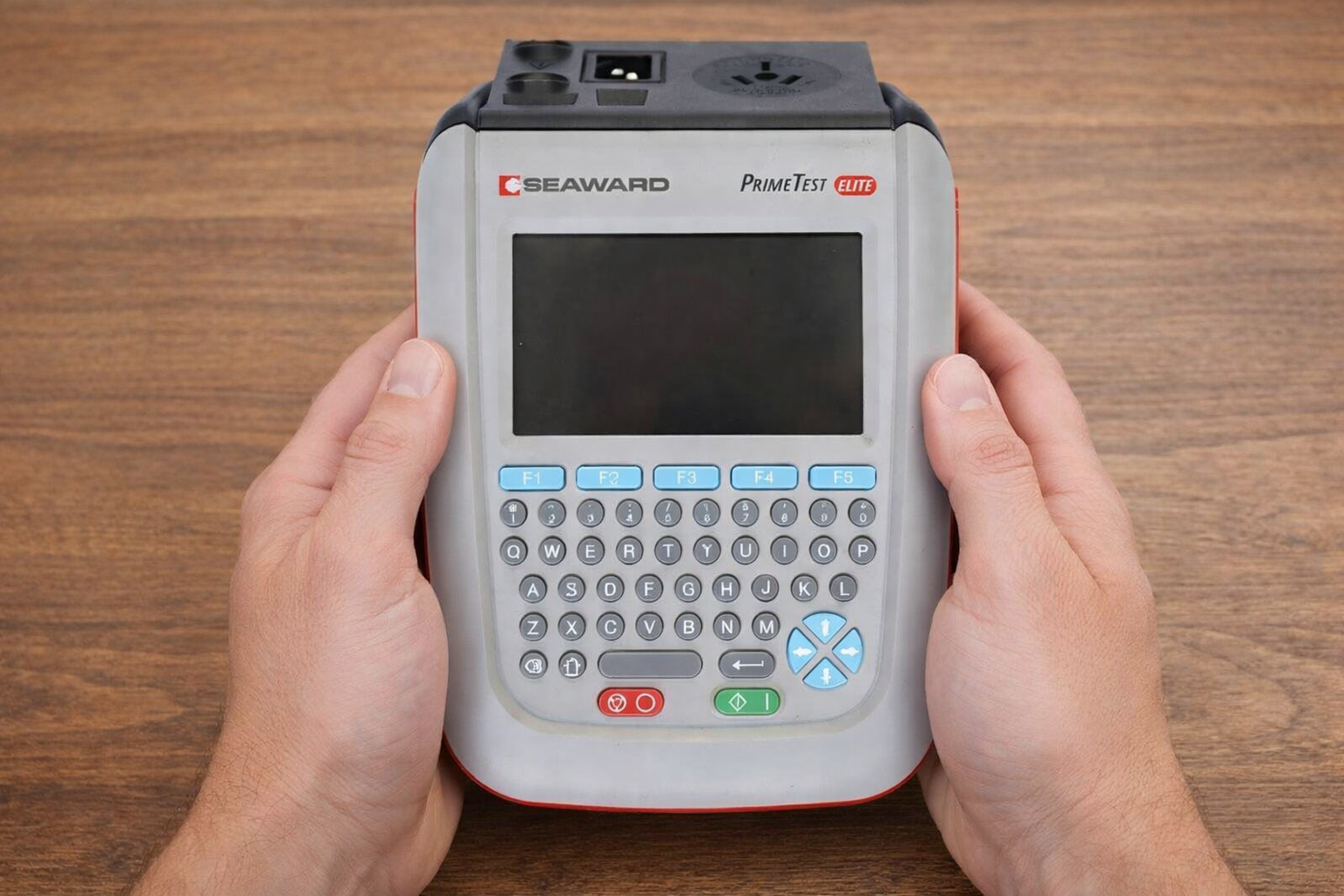
Test & Tag is the process of checking the safety of portable electrical appliances. It involves two main steps:
- Visual Inspection: Checking for physical damage, frayed cords, or signs of overheating.
- Electrical Testing: Using a Portable Appliance Tester (PAT) to check for invisible faults like earth continuity, insulation resistance, and polarity.
Why do you need it?
In Queensland, employers and persons conducting a business or undertaking (PCBUs) have duties under the Work Health and Safety Act 2011 (Qld) and the Electrical Safety Act 2002 (Qld) to manage workplace risks and ensure electrical safety. Inspection, testing and safety-switch requirements depend on the equipment and the type of work.
Legal Compliance
Testing carried out in line with AS/NZS 3760:2022.
Risk Mitigation
Minimises the risk of electrical fires and electric shocks.
Useful records
Check your insurer’s requirements. We provide records of the work completed.
Peace of Mind
Provides a documented safety trail for your workplace.
Is it different from PAT Testing?
Essentially, no. PAT Testing stands for Portable Appliance Testing. This is the term commonly used in the UK and Europe. In Australia and New Zealand, we typically refer to it as Test & Tag. While the terminology varies, the goal is the same: ensuring electrical equipment is safe for use.
How does the process work?
We aim for minimal disruption to your Brisbane business. Our process follows these simple steps:
You book a date
Book in a slot with us and we'll send you documents to help you prepare, such as making sure we can access locked rooms and cupboards with equipment inside.
Site arrival
Our technician arrives at your office, workshop, or site with all the tools required to do the testing work.
The Test
Equipment within the agreed scope is visually inspected, then tested using methods appropriate to its construction. Applicable tests can include protective earth continuity, insulation resistance or leakage current, and polarity checks for relevant leads and connectors. Not every test applies to every item. AS/NZS 3760:2022 informs the process; construction and demolition work also needs the applicable AS/NZS 3012 requirements considered. Fixed installations, repairs and patient-connected medical devices require a separately confirmed scope.
Tagging
Items that pass receive a durable tag showing the test date and the next due date. Equipment found unsafe must be removed from use and clearly identified as unsafe. Read the tag details rather than relying on its colour.
Reporting
You receive digital inspection and test results with equipment identification, recorded outcomes and failed-item information. Your asset register and testing documentation help your workplace follow up defects and plan next testing dates. Keep the records accessible to the people responsible for equipment. Client reporting access and retest reminders support ongoing management; tell us about any site-specific reporting requirements before booking.
Reminders
We provide retest reminders to help you plan your next inspection and testing visit. Keep your equipment records current and review the schedule when equipment or work conditions change.