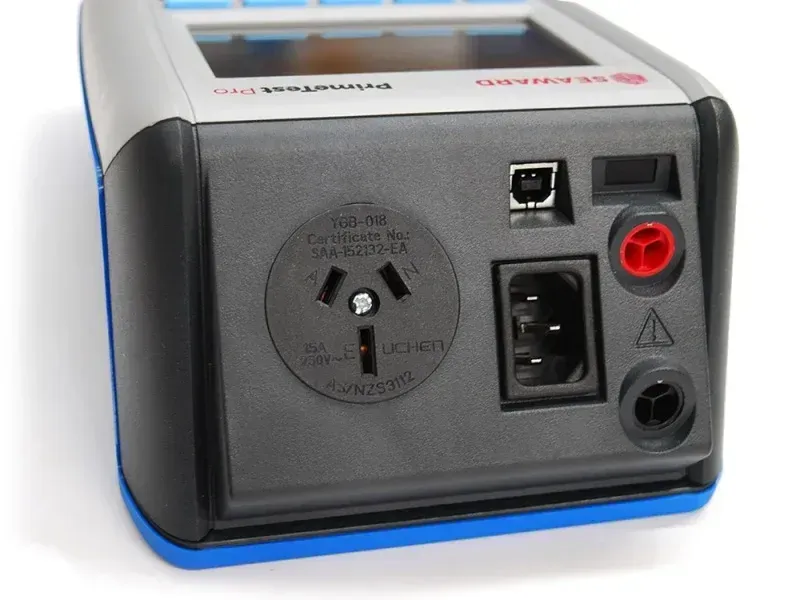
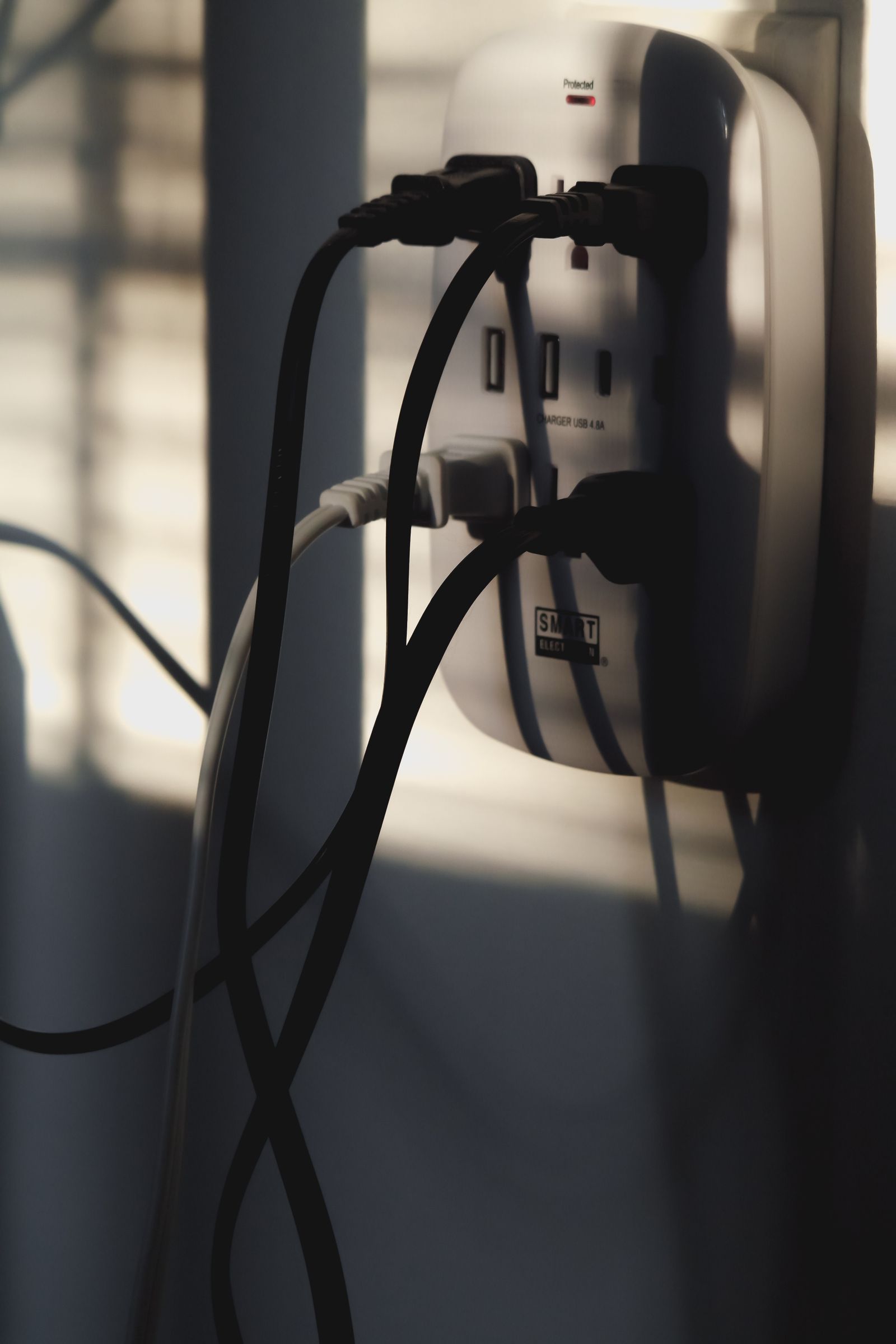
Start with an equipment list, then assess the way each item is used. “It has a plug” is a helpful way to find equipment for review, but it is not a complete statement of Queensland’s legal testing requirements.
Start with the work being performed
Requirements differ between office, service, manufacturing and construction work. For office and service work, the definition of specified equipment is narrower than a list of everything plugged into a socket. Use the applicable work category and safety-switch provisions to decide the required inspection and testing programme.
See the Queensland test and tag interval guide
for the main distinctions. Do not assume that a five-year office interval applies to workshop tools or that every office item needs annual testing.
Equipment to include in your assessment
Leads, power boards and chargers
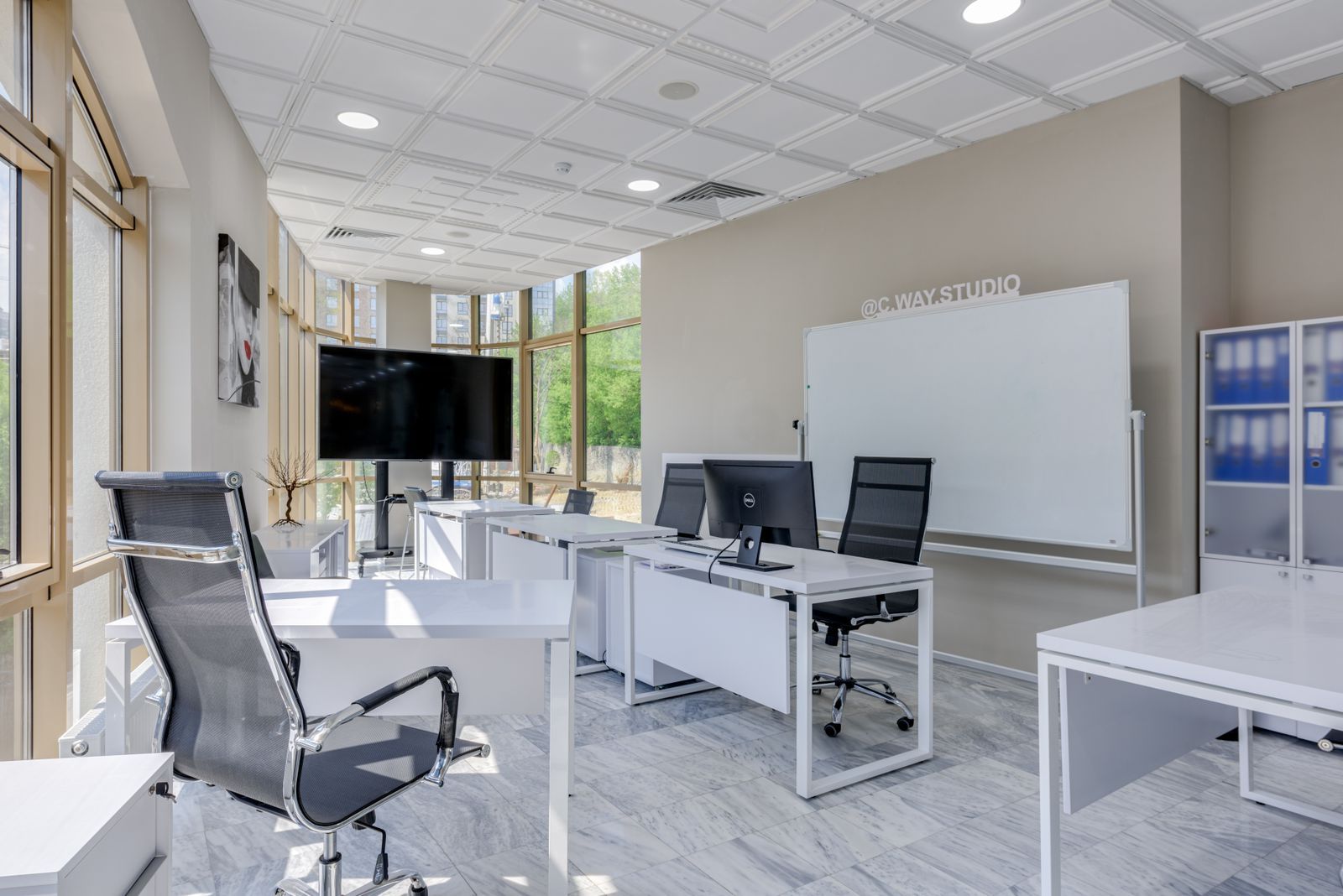
List extension leads, portable power boards and mains-powered chargers. They can be overlooked behind desks, in meeting rooms and in storage areas. Include detachable supply leads where relevant, and identify equipment brought in by workers or contractors so responsibility is clear.
Office and shared appliances
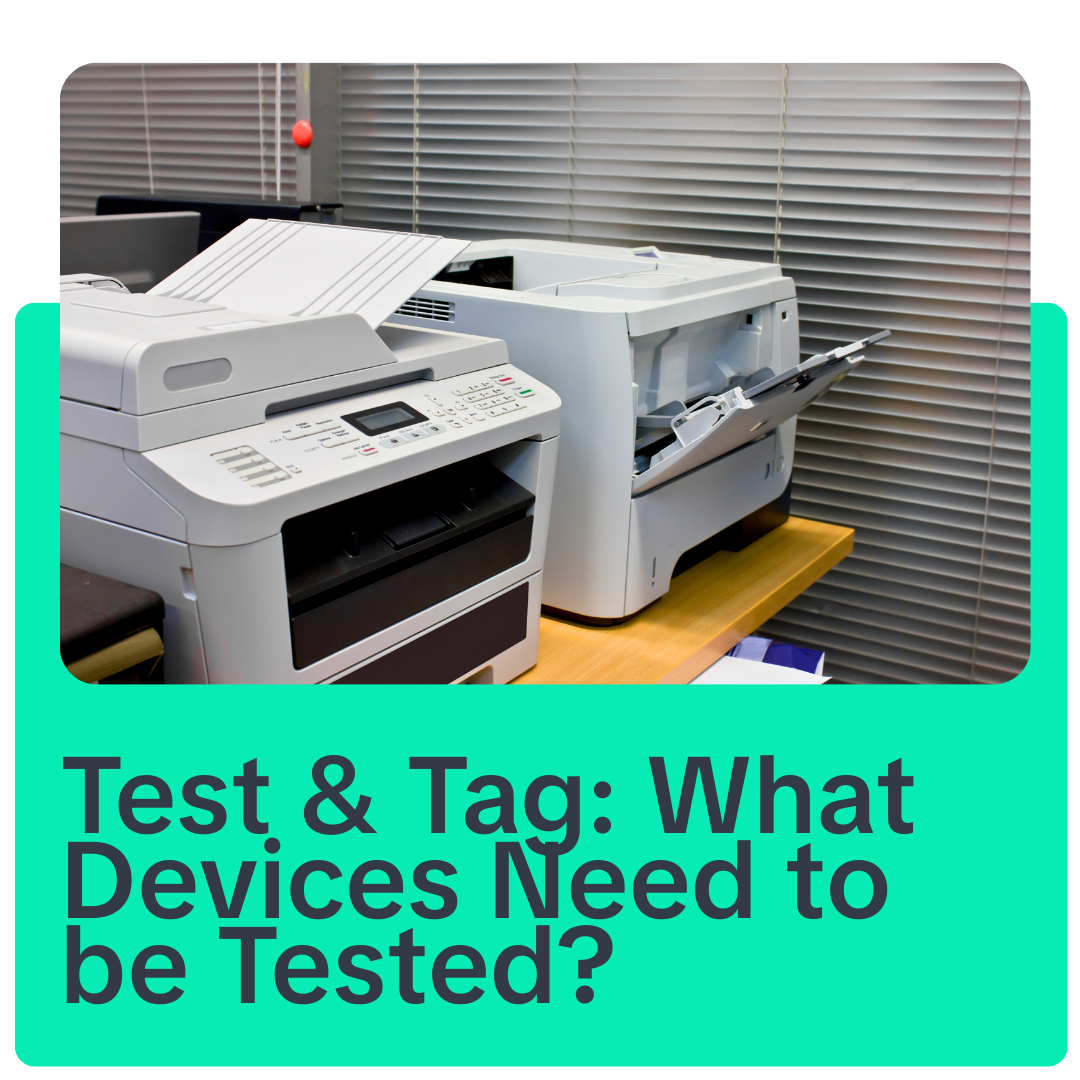
Computers, monitors, printers, docking stations, kettles, microwaves and other shared appliances belong on the initial inventory. Their presence on that list does not automatically mean the same legal test interval applies to each item.
Workshop and site equipment
Include portable drills, grinders, saws, welders and their supply accessories. Tell the provider about moisture, dust, heat, mechanical damage and frequent relocation. A workshop schedule should not simply be carried over when a tool is taken onto a construction site.
Hospitality, retail and cleaning equipment
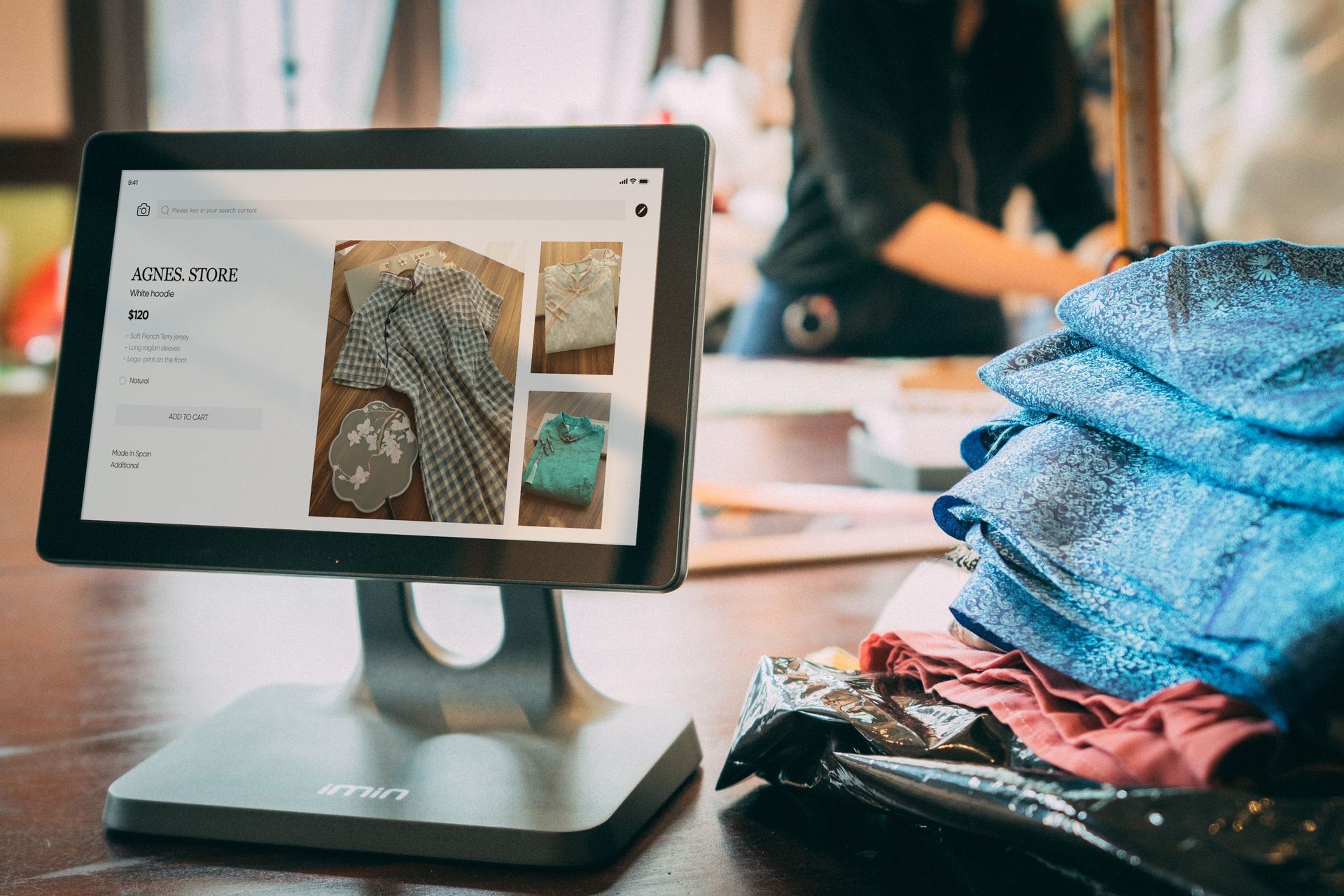
Check portable kitchen appliances, point-of-sale accessories, display equipment, vacuum cleaners and floor-cleaning machines. Agree access and shutdown arrangements before testing equipment that supports customers or business operations.
Medical devices need a separate scope
Do not treat ventilators, infusion pumps, ECG systems or other patient-connected devices as ordinary office appliances. Medical equipment requires an appropriate specialist management and testing programme; AS/NZS 3551 addresses medical equipment management. Confirm the applicable standard, manufacturer requirements and provider competence before including these devices.
Healthcare sites should distinguish ordinary workplace appliances from medical devices. Sterilisers and other sterilisation equipment also need their intended use and technical requirements assessed.
What about batteries and fixed equipment?
A battery-only device and its separate mains charger should not be treated as the same item. Fixed wiring, sockets and building installations also require a different scope from routine portable-appliance testing. Ask a suitably qualified person to assess equipment that does not fit the agreed service.
Make the equipment list useful
Record the location, item description and asset identifier where available. Note anything inaccessible, sensitive or already damaged. A clear inventory helps avoid missed equipment and makes later defect follow-up easier.
Sources and further guidance
Need help arranging an assessment? Request a quote from The Compliance Standard
or call 07 3668 0740.