
Test and Tag for Small Business Made Simple
A phone charger in reception, a kettle in the staff room, power tools in the ute, a portable fan under a desk - small businesses rely on more electrical equipment than they often realise. Test and tag for small business is a practical way to keep that equipment in check, support workplace safety and maintain clear compliance records without holding up the workday.
For Brisbane businesses, the goal is not to add another complicated admin task. It is to identify electrical risks early, deal with damaged equipment promptly and know exactly where your records are if they are needed.
Why small businesses need a practical testing plan
Electrical equipment can deteriorate through everyday use. Leads are bent, plugs are knocked, appliances are moved between rooms and tools are exposed to dust, moisture or rough handling. Damage is not always obvious to the person using the item.
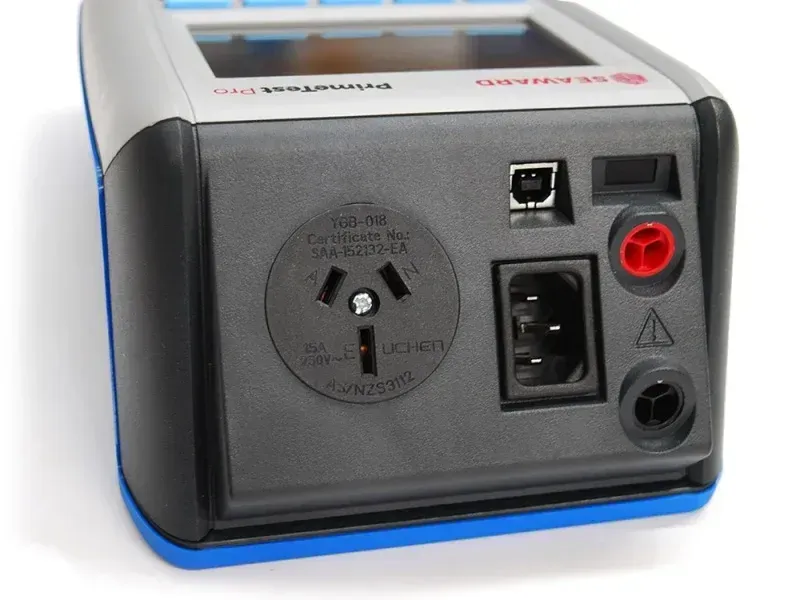
A professional test and tag service combines a visual inspection with electrical testing where appropriate. The technician checks the plug, lead, casing and visible condition of the item, then uses calibrated equipment to assess key electrical safety functions. Equipment that passes receives a tag showing the inspection details and the next due date. Items that do not pass should be removed from service until they have been repaired, replaced or otherwise made safe.
This process is useful well beyond a factory floor or construction site. Offices, retail stores, cafés, clinics, childcare settings, workshops, warehouses and mobile service businesses all use portable electrical equipment. The equipment may be simple, but the responsibility to manage workplace risks remains.
Under Queensland work health and safety duties, businesses must manage electrical risks so far as is reasonably practicable. Test and tag is one control measure, not a substitute for safe equipment, staff awareness or proper maintenance. The right approach depends on your workplace, the type of equipment and how it is used.
Test and tag for small business: what should be included?
A useful starting point is to look at any portable or moveable item that plugs into a power point, as well as leads and portable safety switches. That commonly includes:
- computers, monitors, printers and charging equipment
- kettles, microwaves, fridges and other staff-room appliances
- extension leads, power boards and portable RCDs
- cleaning equipment, fans, heaters and portable air conditioners
- drills, grinders, welders and battery chargers used in workshops or on site
Fixed electrical installations, such as building wiring and hard-wired equipment, are managed differently and may require a licensed electrician rather than a standard portable appliance test. This is why an initial walk-through matters. It helps separate the items that need testing from those that need another form of electrical maintenance.
The environment also changes the priority. A laptop used on a clean office desk generally faces less wear than a lead used daily in a workshop or outdoors. Equipment exposed to moisture, heavy traffic, heat, vibration or frequent transport deserves closer attention and may need more regular testing.
How often should equipment be tested?
There is no one interval that suits every small business. Testing frequencies should be based on risk, with guidance commonly drawn from AS/NZS 3760 and workplace-specific requirements. Higher-risk workplaces and equipment used in harsher conditions are usually tested more often than office equipment used in a controlled environment.
For example, a construction-style environment may require a much tighter inspection cycle than a professional office. A café’s appliances may also need a different schedule to a quiet consulting room because of heat, spills and constant use. Some clients have landlord, insurer, franchise or client-site requirements that set their own timing as well.
The key is consistency. Once the right schedule is established, put the next due date in the diary and keep the equipment register current. Leaving it until an incident, audit or customer request creates unnecessary pressure and makes it easier for items to be missed.
What a low-disruption service looks like
Small businesses cannot stop trading for a day just to test a few dozen appliances. A well-organised service works around your operations, not against them.
Before the visit, an experienced provider should clarify the type of premises, the approximate number of items, access arrangements and any areas that need particular care. This allows the work to be scheduled at a suitable time, whether that is before opening, after hours, during a quieter period or while teams are in another part of the site.
On the day, equipment is tested systematically, with care taken around workstations, customer areas and staff belongings. In many workplaces, items can be tested with only brief interruptions. Staff may need to save their work or temporarily unplug a device, but there should be no confusion about what is happening or why.
Clean execution matters. Cords should be returned neatly, tested items should be clearly identified and failed equipment should be brought to the attention of the responsible person straight away. If an item is unsafe, a tag alone is not the solution. The business needs clear advice on what to isolate and what should happen next.
The paperwork is part of the service
A coloured tag is helpful at a glance, but it is not your whole compliance system. The real value comes from accurate post-service records.
After testing, your business should receive a report or equipment register that records the items inspected, their test results, identification details and due dates. This gives managers a clear view of what has been tested and what needs attention. It also makes it much easier to respond if a landlord, principal contractor, client or safety representative asks for evidence.
Keep these records in a place that will not disappear when staff change roles. A shared business folder or central compliance file is usually more reliable than one person’s inbox. If equipment is replaced, repaired, moved to another site or taken out of use, update the register so it remains useful.
Documentation is also where recurring problems become visible. If the same type of power board keeps failing, or leads are regularly damaged in one area, that is a prompt to improve storage, purchasing or work practices. Testing identifies the issue. Good records help you prevent it happening again.
Choosing a provider without overcomplicating it
Price matters, particularly for a small business, but the lowest quote is not always the lowest-cost outcome. A service that turns up late, disrupts staff or provides unclear records can create more work than it saves.
Look for a provider that communicates clearly before the booking, gives a straightforward estimate and can work around your operating hours. Ask what is included in the service, how failed items are handled and what documentation you will receive afterwards. You should not have to chase basic answers or decipher technical language to understand the result.
Local experience is valuable too. A provider working across Brisbane and surrounding Queensland workplaces understands the variety of sites involved, from compact offices to busy retail spaces and trade depots. The Compliance Standard takes a customer-first approach: quick, clean and professional testing, followed by the records and guidance needed to keep your next steps clear.
Make electrical safety easier to maintain
The best test and tag program is one your team can maintain between visits. Encourage staff to report damaged leads, cracked plugs, loose power boards, overheating appliances and equipment that has been dropped or exposed to water. Remove suspect items from use rather than hoping they will be fine until the next scheduled test.
Avoid overloading power boards, keep leads away from walkways where possible and use equipment for its intended purpose. These simple habits reduce wear and help testing deliver better results.
When your testing date is approaching, treat it as a routine service appointment rather than a compliance scramble. With a sensible schedule, clear records and a provider that respects your time, electrical safety becomes one less thing competing for attention in a busy business.