

Booking a Workplace Test and Tag Made Simple
A loose collection of chargers, power boards and kitchen appliances can make booking a workplace test and tag feel bigger than it needs to be. For most businesses, the process is straightforward when the provider understands how your workplace runs and plans the visit around it.
The goal is not simply to place a sticker on every item. It is to identify portable electrical equipment that needs attention, complete the required checks efficiently, and leave you with clear records for your safety and compliance files. A well-organised booking protects your people without turning a routine service into a disruption to staff or customers.
What a workplace test and tag booking should cover
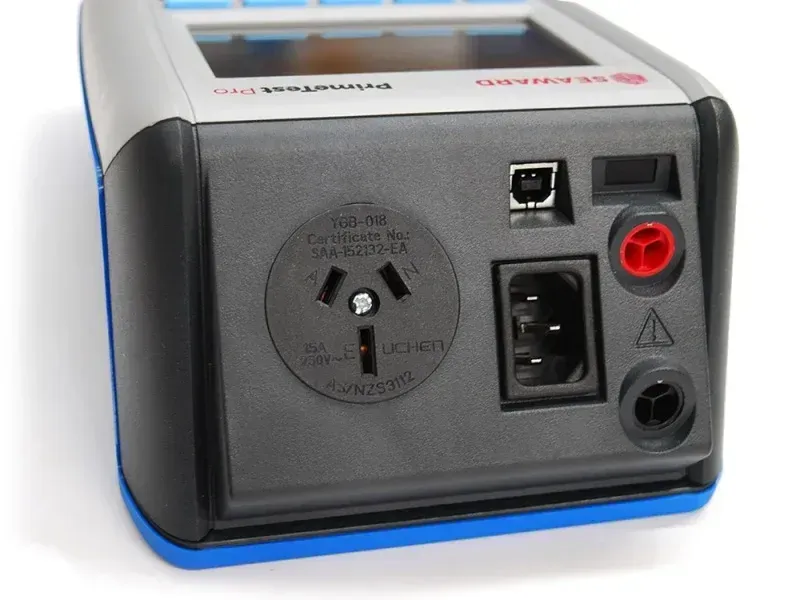
Test and tag services generally involve a visual inspection and electrical testing of portable appliances, leads, power boards and other plug-in equipment. Each item is recorded and, where it passes, receives a tag showing the test details and next due date. Failed items should be clearly identified and taken out of service until they are repaired, replaced or otherwise made safe.
The right scope depends on your workplace. An office may have monitors, docking stations, phone chargers, kettles, extension leads and shared appliances. A warehouse, workshop, school or construction-related site may have a larger volume of leads, tools and equipment exposed to more demanding conditions.
That difference matters when booking. Testing intervals and requirements are not one-size-fits-all. They are influenced by the equipment, its environment, how it is used and the applicable workplace safety requirements. A good provider will ask practical questions before confirming the job rather than applying a generic approach to every site.
What to prepare before booking a workplace test and tag
You do not need to create a perfect asset register before asking for a quote. A few clear details will help the provider price and schedule the work accurately.
Start with an estimated number of items. It is fine if this is an approximation, but include the equipment people often overlook: extension leads in cupboards, power boards under desks, mobile phone chargers, monitors, kitchen appliances, cleaning equipment and spare tools. If equipment is spread across several rooms, floors or buildings, say so early.
It also helps to explain the type of workplace and its operating hours. A busy reception area, medical practice, retail floor or customer-facing office may need testing completed before opening, after hours or in stages. In a warehouse or workshop, access to equipment can depend on production schedules, deliveries or shift changes.
Finally, let the provider know whether you have previous test records, an asset list or a preferred completion date. Existing documentation can make the visit faster, but it is not a barrier if your records need bringing up to date. The practical priority is knowing what is on site and arranging safe access to it.
Give an honest picture of access
The fastest job is not always the cheapest quoted job. A low item count can still take longer if every appliance is locked in offices, packed into storage, connected behind furniture or unavailable while staff are using it.
Ask team members to leave equipment accessible where possible. For example, moving chargers and power boards out from under desks before the appointment can save considerable time across a larger office. Equipment that cannot be unplugged during business hours should be identified in advance so it can be scheduled at a suitable time.
This does not mean your team needs to do the technician's work. It means avoiding preventable delays. Clear access allows testing to proceed cleanly and keeps interruptions to a minimum.
Choosing a time that protects normal operations
Flexible scheduling is often the difference between a test and tag visit that goes unnoticed and one that frustrates the whole team. The best time depends on how your business operates.
For a small office, testing during quieter hours may be enough. For a larger workplace, a staged approach can work better, with departments tested one at a time so staff can continue working. Businesses with fixed customer appointments, shift work or critical equipment may prefer an early morning, evening or weekend booking.
There is a trade-off. After-hours work can reduce disruption, but it may require access arrangements and a nominated contact person. Daytime testing can be more convenient for site access and decisions about unexpected failed items. Discuss these details during the quote stage so the plan fits your workplace rather than forcing the workplace to fit the appointment.
A reliable provider should confirm the arrival window, expected duration, equipment access needs and any actions required from your team. That clarity is particularly valuable for facilities managers and office administrators coordinating multiple people on site.
What happens on the day
A professional service visit should be orderly, not disruptive. The technician will work through the agreed areas, inspect and test eligible equipment, record results and apply tags where appropriate. They should work carefully around desks, workstations and shared areas, leaving the space tidy once testing is complete.
Some items may fail because of visible damage, wiring faults, failed electrical tests or unsuitable leads and plugs. This is where practical communication matters. Your team should know which item has failed, why it should not be used and what needs to happen next. Leaving a failed appliance plugged in or returning it to service defeats the purpose of the inspection.
Not every item in a workplace is necessarily within scope. Hard-wired equipment, equipment belonging to visitors, or items with restricted access may need a different process. Raise any uncertainties before or during the visit. Clear decisions are better than assumptions when electrical safety is involved.
The paperwork is part of the service
For busy businesses, the value of testing is not limited to the time spent on site. You also need records that can be found when they are needed.
After the work is complete, you should receive certification or reporting that shows what was tested and the outcome. The format can vary, but useful records generally identify the site, test date, equipment details, results and next due dates. Keep these documents with your broader workplace safety records, not in an inbox that only one former staff member can access.
Good documentation supports internal safety checks, client requirements, site audits and future bookings. It also makes the next visit more efficient because the equipment history is easier to follow. If you manage several locations, ask how reports will be separated and labelled so each site has a clear record.
Build a sensible ongoing schedule
Test and tag is most manageable when it becomes a planned part of workplace maintenance. Waiting until an audit, incident or urgent client request creates unnecessary pressure and can leave you rushing to locate equipment and paperwork.
Set a review date based on your workplace's risk profile and applicable requirements. Keep new equipment, replacement leads and items brought in by staff visible in your process. This does not require a complicated system. A current register, stored reports and a calendar reminder will cover the basics for many businesses.
For Brisbane workplaces that need a local, low-impact service, The Compliance Standard can help organise the testing, reporting and follow-up in a way that suits the working day. Fast communication and a clear scope before the appointment make compliance easier to manage.
The best booking is one your staff barely have to think about: equipment is ready, access is arranged, testing is completed professionally, and the records are where they need to be. That is a practical outcome worth scheduling before the next deadline makes the decision for you.