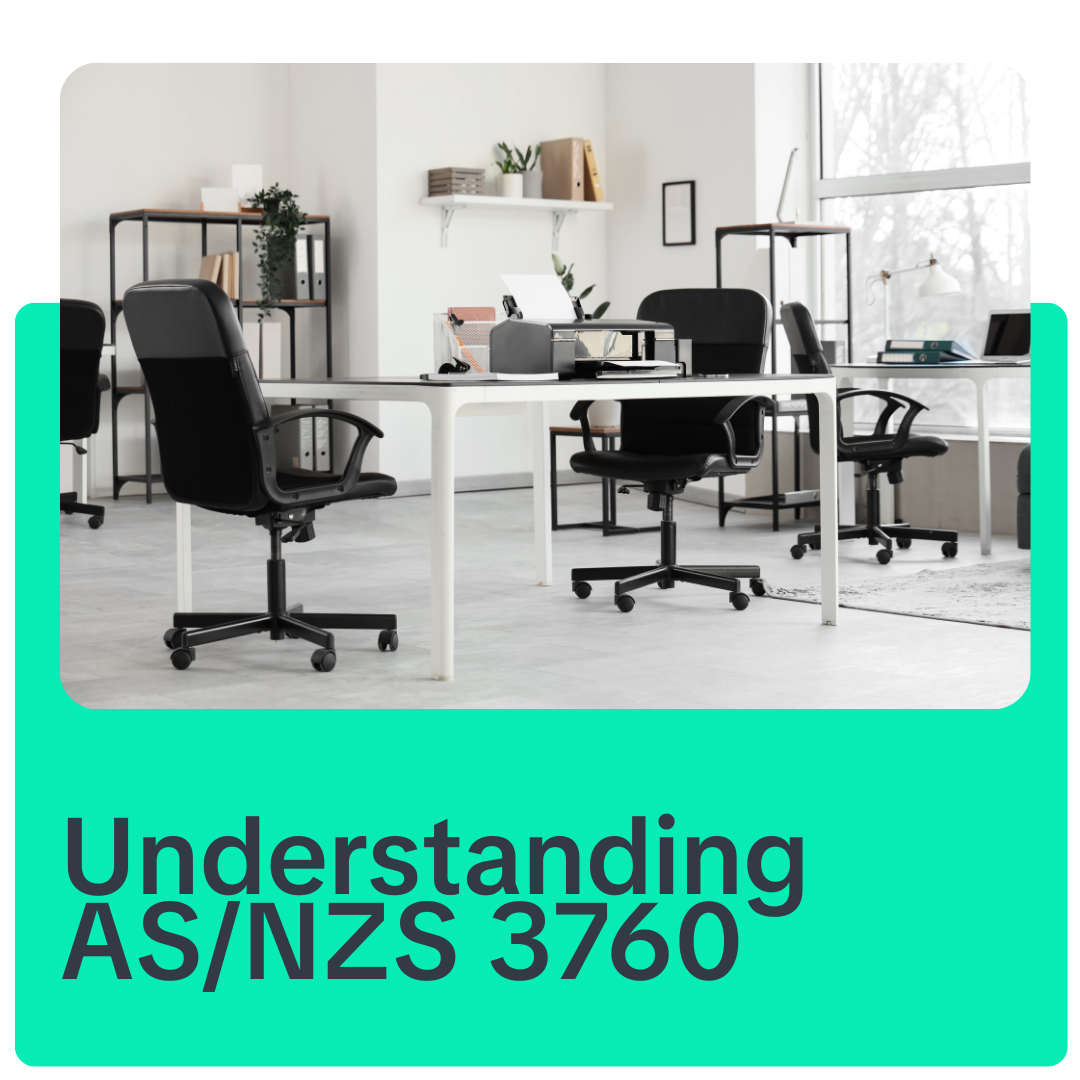
AS/NZS 3760:2022 is the Australian and New Zealand Standard for in-service safety inspection and testing of electrical equipment and RCDs. It sets technical requirements for inspection and testing. Queensland’s regulation expressly requires compliance with it in particular provisions, including safety-switch testing. The regulation takes precedence where requirements differ.
How the Standard fits Queensland requirements
Queensland’s electrical safety legislation and the applicable Standard have different roles. A general statement that “the Standard is the law for every appliance” loses important detail. Work type, equipment scope and safety-switch arrangements all matter.
The current regulation is the Electrical Safety Regulation 2026, which commenced on 1 September 2026. For construction work, section 140 requires electrical equipment to comply with AS/NZS 3012. Our testing interval guide
sets out selected categories and links to the full Queensland guidance.
How equipment is inspected and tested
Visual inspection
The inspection looks for damage and conditions that need attention, such as a cracked plug, a damaged lead or signs of overheating. A visual inspection is an important part of the process, alongside the applicable electrical tests.
Tests appropriate to the equipment
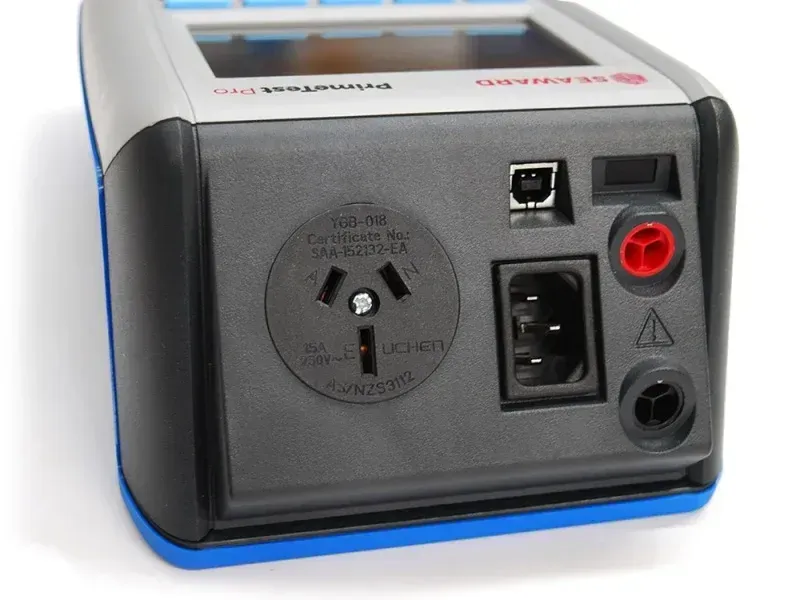
Applicable checks can include earthing continuity, insulation testing, RCD operation and polarity checks for relevant connectors. The competent person selects the appropriate methods and interprets the result for the equipment concerned.
A protectively earthed appliance and a double-insulated appliance do not use an identical test sequence. Nor should one universal earth-resistance limit be applied to every item without considering the Standard’s conditions and the equipment or lead being tested.
What a test result tells you
A result documents the checks performed at that time. It is not a guarantee that the item will remain safe until its next scheduled test. Equipment can be damaged or misused afterwards, so routine reporting and appropriate maintenance remain necessary.
Why good record keeping matters
Keep records that help you identify the item, find the result and follow up defects. Useful fields include an asset identifier, location, test date, outcome, tester details, the next review date and action taken on a failed item.
A digital register can make searching and reminders easier. It should not be described as universally mandatory without identifying the actual requirement that applies. Agree the records and retention arrangements needed for your workplace, contracts and relevant standards.
Choose the right scope and provider
A business providing test-and-tag services in Queensland must hold an electrical contractor licence that permits the work. Ask the provider to confirm its licence scope and the tester’s competence. A licence restricted to testing and tagging does not authorise electrical repairs.
Sources and further guidance
Reviewed against the sources below on 6 November 2026.
Need help arranging an assessment? Request a quote from The Compliance Standard
or call 07 3668 0740.