


Why Electrical Leads Need Testing at Work

The Compliance Standard • October 3, 2026

Share this article

A power lead can look perfectly serviceable while carrying a fault that puts people, equipment and business operations at risk. That is why electrical leads need testing, not just a quick glance before use. In a busy workplace, leads are bent, pulled, rolled over, exposed to heat and packed away in a hurry. Small damage can become a serious electrical hazard.

For Brisbane businesses, regular test and tag inspections provide a practical way to identify faulty portable equipment before it causes an electric shock, fire, equipment failure or unexpected downtime. Just as importantly, they give the business clear records showing that electrical safety has been actively managed.

Why electrical leads need testing in workplaces

Electrical leads are among the hardest-working items in a workplace. They connect portable appliances, chargers, computers, power tools, kitchen equipment, cleaning machinery and temporary site equipment to power. Unlike fixed wiring, they are moved constantly and often used in conditions that change from one day to the next.

A lead may be damaged by a chair wheel in an office, a trolley in a warehouse, a door closing across it, moisture in a cleaning area or rough handling on a construction site. The outer sheath might split, the plug pins can loosen, or internal conductors can break without an obvious mark on the outside.

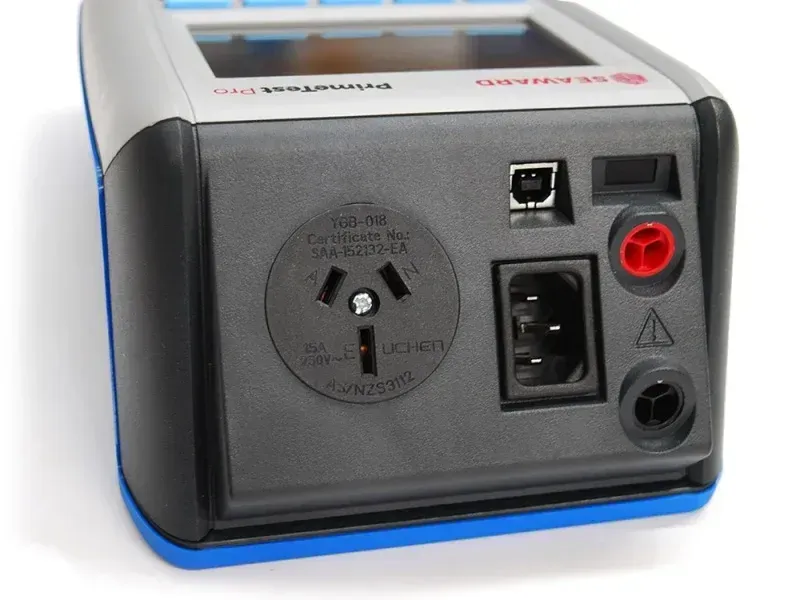
Testing checks more than whether an appliance turns on. A trained tester carries out a visual inspection and uses calibrated equipment to assess electrical safety. Depending on the item, this can include earth continuity, insulation resistance and polarity checks. If a lead or appliance does not pass, it should be removed from service until it has been repaired by a person holding the appropriate electrical work licence and appropriately retested or replaced.

This process is simple in practice, but its value is significant. It helps find faults that routine use may not reveal.

Visual checks help, but they are not enough

Staff should be encouraged to look over leads before use. A visual check can identify obvious issues such as a cracked plug, exposed wiring, taped repairs, burn marks or a damaged outer sheath. These faults should never be ignored.

However, visual checks have limits. Internal damage is often invisible. A conductor can be fractured inside an intact cable, earth protection can be compromised, or insulation may have deteriorated over time. An appliance can still operate normally while failing a safety test.

That is the key distinction: working equipment is not automatically safe equipment. Test and tag provides an objective check beyond what staff can see.

The risks are bigger than one damaged cord

A faulty electrical lead does not only affect the person using it. It can create consequences across the workplace. An electric shock can cause injury, particularly where moisture, metal surfaces or damaged insulation are involved. Faulty connections can overheat and create a fire risk. A sudden equipment failure can also disrupt a service counter, office, workshop, kitchen or site activity at the worst possible time.

For businesses, the operational cost can quickly exceed the cost of routine testing. Replacing damaged equipment, responding to an incident, managing staff absence and dealing with lost productivity all take time. In more serious circumstances, an electrical incident may trigger a workplace investigation and scrutiny of the business's safety processes.

Regular testing will not prevent every electrical issue. It does, however, reduce the chance that a known or developing fault remains in circulation. That is a sensible control for equipment that is handled daily.

Testing supports electrical safety compliance

Queensland businesses have duties under work health and safety laws to provide and maintain a safe workplace, so far as is reasonably practicable. Portable electrical equipment needs to be maintained in a safe condition, particularly when it is supplied for use by workers.

Test and tag is commonly used as part of a broader electrical safety program. Australian Standard AS/NZS 3760 provides guidance for the in-service safety inspection and testing of electrical equipment. It helps businesses establish suitable inspection and testing practices for portable equipment, extension leads and residual current devices.

There is no single testing interval that suits every workplace. The appropriate frequency depends on the environment, the type of equipment, how often it is moved and the likelihood of damage. A power lead in a low-risk office may face very different conditions from a lead used outdoors, in a workshop, on a building site or around cleaning operations.

A practical program considers the risk rather than treating every workplace the same. High-use, mobile and harsh-environment equipment generally needs closer attention. Fixed equipment that is rarely moved may require a different approach. When in doubt, a competent test and tag provider can help set a schedule that reflects the actual workplace.

Records matter when someone asks the question

A tag shows that an item has been inspected, its status and when the next test is due. But the tag is only part of the process. Good compliance management also includes a clear report of the equipment tested, the results and any items that failed.

These records are useful for facilities managers, safety representatives and business owners because they turn a technical task into an auditable process. Instead of relying on memory or chasing scattered paperwork, the business has evidence of what was checked and when.

Documentation is particularly helpful after a workplace incident, during an internal safety review or when a client asks for proof of contractor compliance. It also makes repeat testing easier. Equipment lists can be reviewed, missing items can be identified and upcoming due dates can be planned around normal operations.

The goal is not paperwork for its own sake. The goal is a clear, repeatable system that helps prevent unsafe equipment from being used.

Common lead problems found during testing

Many failed leads show signs of ordinary workplace wear rather than dramatic misuse. Repeated bending near a plug or socket can weaken internal wiring. Extension leads may be overloaded, dragged across floors or stored tightly wound. Plugs can become loose after frequent use, and cables used outdoors can deteriorate more quickly through weather and UV exposure.

Double adaptors and damaged power boards deserve attention as well. They are often used to solve an immediate access problem, then remain in place long after the task is finished. Where multiple devices need power, businesses should consider whether the setup is suitable for the load and location rather than relying on temporary arrangements.

Testing also creates a useful opportunity to remove old, unsuitable or poorly repaired equipment from service. A low-cost replacement is often the better decision when repair quality is uncertain or the item has reached the end of its useful life.

Keep testing practical, not disruptive

For many businesses, the concern is not whether testing is worthwhile. It is how to organise it without interrupting staff, customers or production. A well-planned service should work around the workplace, not against it.

Before testing begins, identify the areas, equipment types and suitable access times. Offices may prefer early morning, quiet periods or a staged floor-by-floor approach. Warehouses and workshops may need testing coordinated around shifts, deliveries or machinery downtime. Sites with contractors should also confirm which equipment belongs to whom so nothing is missed or tested twice.

A professional provider can move efficiently through the workplace, test equipment on site, label passing items clearly and isolate failed items with minimal fuss. The Compliance Standard provides certification reports after the work is complete, helping Brisbane businesses keep their electrical safety records organised without adding another administrative task to the day.

Testing leads is one part of a safer workplace

Electrical lead testing works best alongside everyday good practice. Staff should know to report damaged equipment immediately and avoid makeshift repairs. Leads should be kept away from walkways where possible, protected from crushing and moisture, and stored without sharp bends or unnecessary strain.

Residual current devices, safe use procedures and suitable equipment selection also matter. A test and tag program cannot compensate for unsafe behaviour or poor workplace setup. It can, however, provide a reliable checkpoint that supports the rest of the system.

A damaged lead is easy to overlook because it is familiar and inexpensive. Treating it as a safety item rather than a disposable accessory is a practical way to protect people, keep work moving and maintain the records your business may need.

Recent Posts

Warehouse staff walking between storage racks and stacked cartons
By Rob Thompson • November 23, 2026
Plan warehouse test and tag around shifts, dispatch windows and shared equipment. Practical preparation and handover tips from The Compliance Standard.

Point-of-sale screen and folded clothing on a retail shop counter
By Rob Thompson • November 19, 2026
Prepare shared retail equipment for a busy trading period. Organise storage, returned items, supervisor updates and access for a test and tag visit.

Coffee equipment and metal serving pots on a café counter
By Rob Thompson • October 28, 2026
Plan café and restaurant test and tag around preparation, service and closing. Organise equipment, access, staff contacts and a clear handover.

By The Compliance Standard • October 22, 2026
Plan an office move with practical steps for packing equipment, updating asset locations, arranging reconnection and handing over existing records.

By The Compliance Standard • October 11, 2026
Prepare for workplace test and tag with an equipment estimate, access details, operating hours and previous records. Learn what to expect from the visit.
By The Compliance Standard • October 9, 2026
Learn how to remove failed equipment from use, record defects and arrange replacement or appropriately licensed repairs and retesting before reuse.

By The Compliance Standard • October 7, 2026
Explore a fictional test and tag report example, including asset identification, test outcomes, failed items, follow-up actions and relevant retest dates.

By The Compliance Standard • October 5, 2026
Understand small-business test and tag: equipment assessment, suitable schedules, access planning, failed-item handling and useful records after the visit.

By The Compliance Standard • October 2, 2026
Coordinate test and tag across multiple sites with equipment lists, local access contacts, suitable schedules, separate reports and clear defect follow-up.

By The Compliance Standard • October 1, 2026
Plan after-hours test and tag around access, shutdown-sensitive equipment and operating hours. Learn how to prepare your site and organise testing records.
Show More