

Test and Tag After Hours with Less Disruption
A busy workplace is often the worst place to stop and inspect every portable appliance. Desks are occupied, point-of-sale systems are running, equipment is in use and customers are moving through the premises. Booking test and tag after hours gives Brisbane businesses a practical way to manage electrical safety checks without turning a normal workday into an interruption.
For many workplaces, the best service time is before the doors open, after the last shift finishes or during a planned quiet period. The goal is simple: inspect and test the equipment that needs attention, apply clear tags, record the results and leave the site ready for business.
Why after-hours testing makes sense
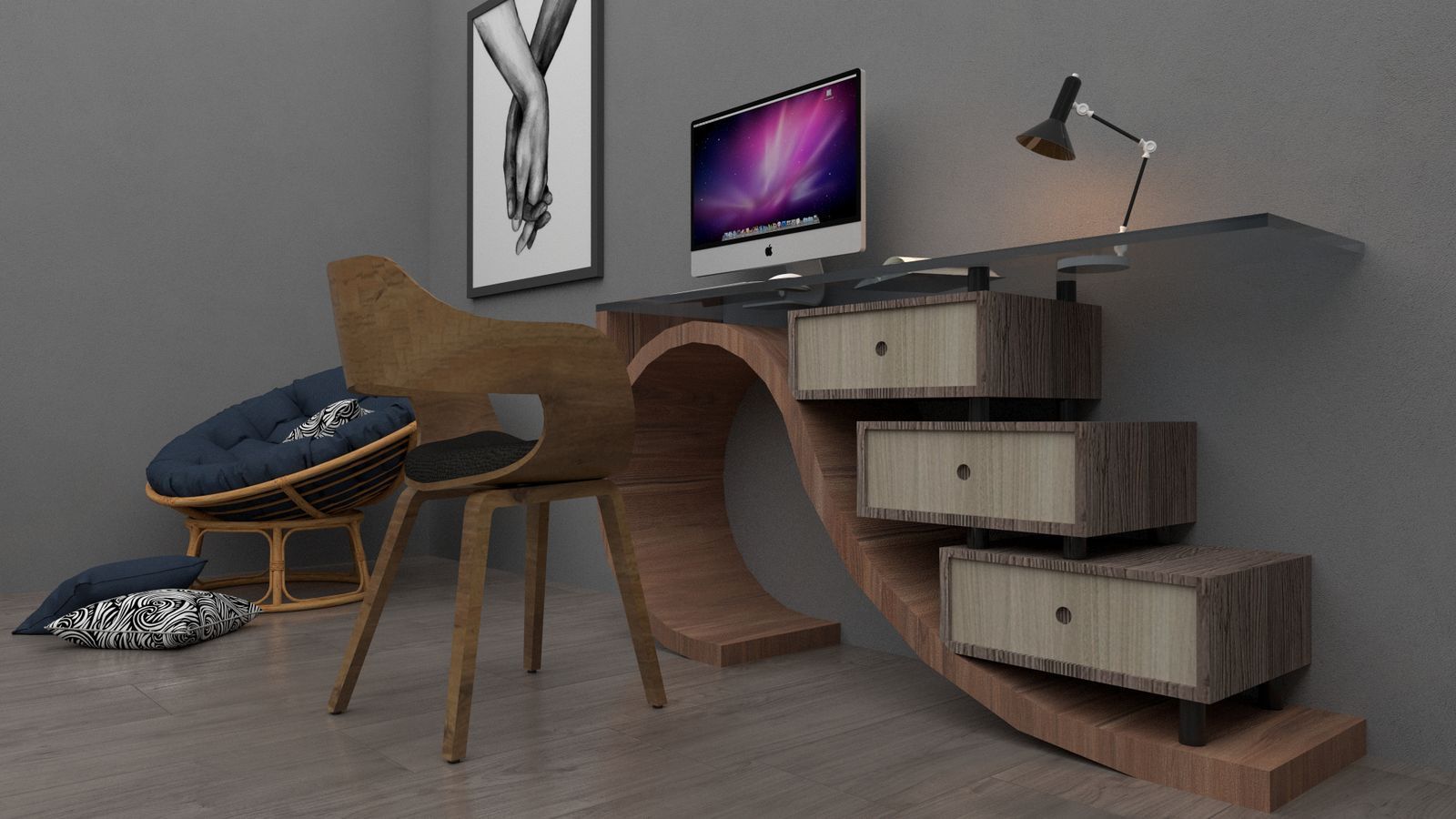
Portable electrical equipment can be spread across every corner of a workplace. Offices have monitors, chargers, kettles and extension leads. Retail stores have EFTPOS equipment, display lighting and cleaning appliances. Workshops, warehouses and construction-related sites may have leads, power tools and more demanding equipment in higher-risk environments.
Trying to test these items during peak hours can slow down both your team and the technician. Staff may need to log off computers, move equipment or pause work while items are checked. In customer-facing premises, testing around visitors can also create avoidable clutter and inconvenience.
After-hours scheduling reduces those pressures. Equipment is easier to access, work areas are clearer and the testing can be completed in a more orderly sequence. Your staff arrive to a workplace that is ready to operate, rather than a job that still needs finishing.
This approach is especially useful for businesses where downtime has a direct cost. A medical practice, retail store, hospitality venue, office, childcare centre or busy warehouse may have only limited windows where equipment can be taken out of service without affecting customers or operations.
What a test and tag after-hours visit involves
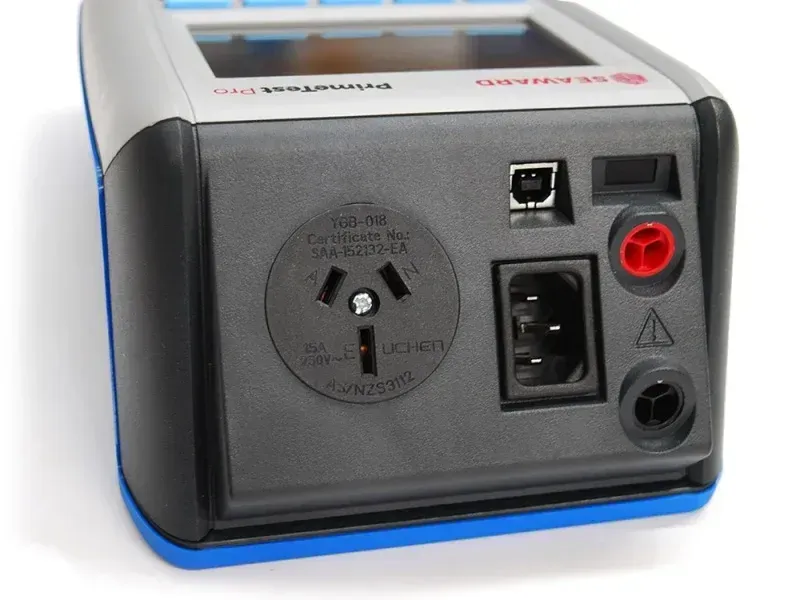
A professional test and tag visit is more than attaching a sticker to a lead. Each item is visually inspected for obvious damage or wear, then tested using suitable equipment where required. The technician records the result and applies a tag showing whether the item has passed, along with relevant test details and the next due date.
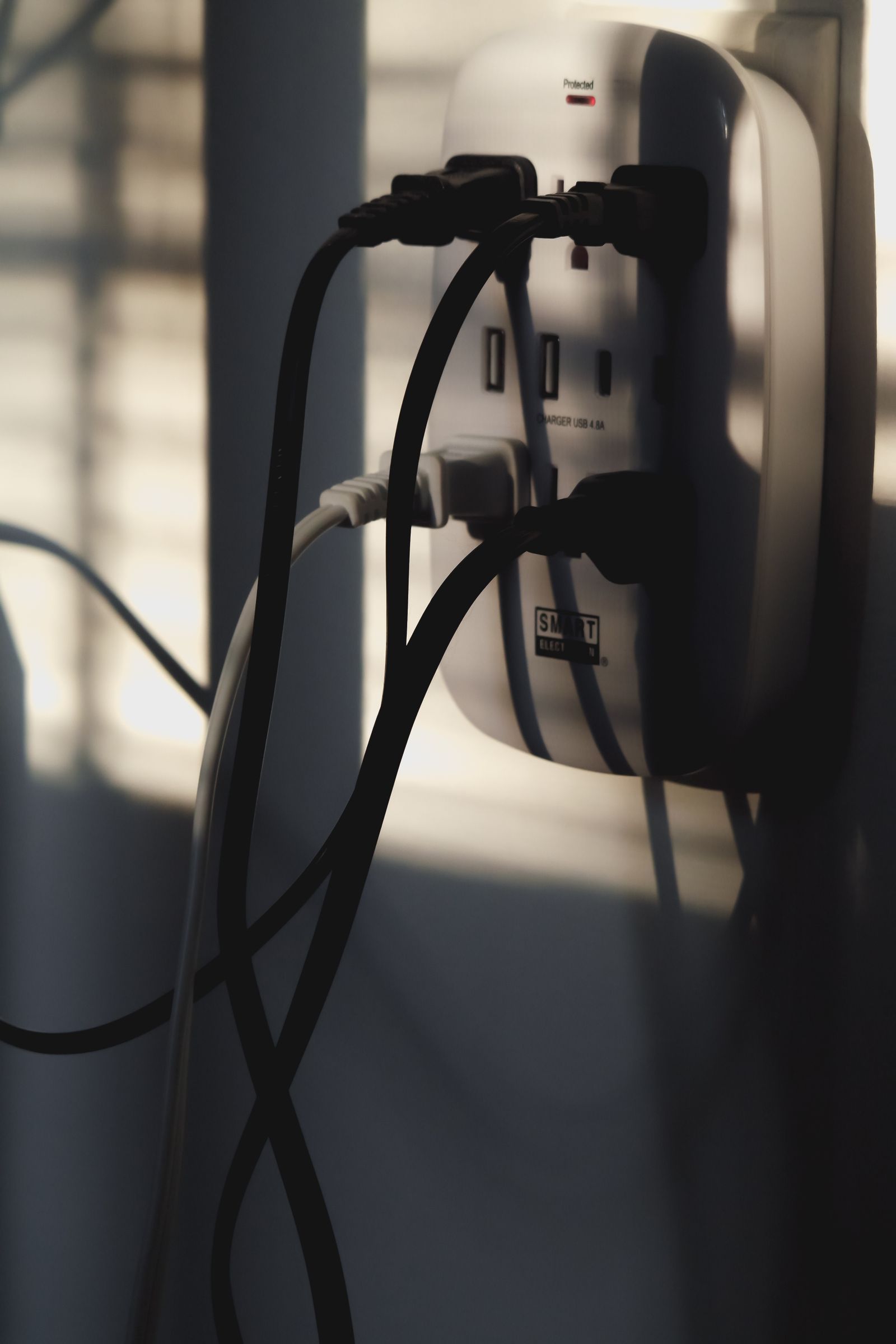
Visual checks matter. Damaged plugs, frayed cords, cracked casings, loose connections and incorrectly used power boards can present risks before an electrical test even begins. Items that do not pass should be clearly identified and removed from use until they are repaired, replaced or otherwise made safe.
After testing, your business should receive clear certification records. These records help you understand what was tested, what passed, what needs attention and when future testing may be due. For facilities managers and administrators, accurate reporting is often as valuable as the on-site work. It creates an organised record for internal safety processes, audits and ongoing planning.
The exact process depends on your workplace, the equipment involved and the time available. A small office may be completed quickly after closing. A larger multi-area site may need a staged plan across several evenings, early mornings or scheduled shutdown periods.
Plan the visit around your operation
After-hours service works best when it is planned around how your site actually runs. There is no benefit in booking a convenient time if equipment is locked away, staff-only areas cannot be accessed or essential devices are still needed for overnight tasks.
Before the appointment, it helps to identify the areas and equipment included in the job. This does not need to become a major project. A simple outline of rooms, storage spaces, workstations and higher-use equipment can help ensure nothing is missed.
You should also confirm who will provide access and whether any site requirements apply. For example, a technician may need sign-in instructions, alarm information, a site contact, parking guidance or approval to access secured offices. In larger premises, a map or nominated escort can save time and keep the job moving.
A practical after-hours plan usually covers three things: the service window, access arrangements and equipment priorities. If there are items that cannot be switched off or moved, identify them early. Some equipment may need to be checked at a different time, while other items can be tested without affecting the next day’s operations.
Which businesses benefit most?
Almost any workplace with portable electrical equipment can benefit from flexible scheduling, but it is particularly useful where staff, clients or customers need uninterrupted access during the day.
Retail businesses can avoid testing around shoppers and trading activity. Offices can keep meetings, calls and focused work on track. Hospitality venues can schedule work outside service periods, while schools, childcare centres and medical practices can avoid having technicians working around students, children or patients.
Warehouses and industrial workplaces may need after-hours or shift-change testing because leads, chargers and tools are continually in use. Here, planning matters even more. Equipment used across multiple shifts may require a coordinated approach so that safety checks are completed without creating bottlenecks for the next crew.
For small businesses, the value is often straightforward: less disruption, less coordination and a cleaner path to keeping records current. For larger sites, it can support a broader maintenance programme by grouping electrical safety work with other planned access periods.
Compliance is not a one-off task
Test and tag requirements are not identical for every workplace. The appropriate inspection and testing approach can depend on the equipment, its environment, the likelihood of damage and your business’s safety procedures. Equipment in a construction, manufacturing or high-use setting may need closer attention than equipment in a low-risk office environment.
That is why a set-and-forget approach can create gaps. Tags need to be read, records need to be retained and failed items need to be dealt with properly. If your workplace changes, such as through new equipment, a renovation, a move or different operating conditions, your testing plan may also need review.
Good records make this easier. Rather than relying on someone to remember what was checked last year, you have a clear list of tested items and outcomes. It gives decision-makers a practical starting point when they are reviewing equipment, responding to an audit request or planning the next service date.
What to look for in an after-hours provider
Flexible hours only help if the service is dependable. When comparing providers, look for clear communication before the booking, a defined scope of work and straightforward pricing. You should know what is being tested, how access will be managed and what documentation you will receive afterwards.
Professional site conduct matters too. After-hours work should be quiet, tidy and respectful of the workplace. A technician should leave work areas in order, communicate any failed items clearly and avoid creating unnecessary follow-up work for your team.
It is also worth asking how the provider handles changes on the day. Sites can be unpredictable. A locked room, a late-running shift or an item that cannot be powered down may require a practical decision rather than a rigid process. The right provider will work with your site contact and document what has been completed or deferred.
The Compliance Standard works with Brisbane businesses that need testing arranged around real operating hours. The focus is quick, clean and professional service, followed by the certification records needed to keep your electrical safety process organised.
Simple steps before your booking
You do not need to prepare every item yourself, but a little organisation can make the appointment faster. Make sure portable equipment is reasonably accessible and that power boards, extension leads and chargers have not been hidden behind furniture or packed into storage without notice.
If equipment belongs to individual staff members, such as laptop chargers or desk fans, let employees know the testing time in advance. They can leave items connected and accessible, or place them in a nominated area if that suits your workplace. This reduces the risk of missed items and repeat visits.
Keep a short list of anything that needs special handling. That may include server equipment, refrigeration, medical devices, security systems or machinery that cannot simply be switched off. These items may require a separate plan, an authorised staff member or testing at another suitable time.
A quieter way to stay on top of electrical safety
After-hours testing is not always necessary. A small, low-traffic workplace may be perfectly comfortable booking during business hours. But when the cost of interruption is high, flexible scheduling is a practical option that protects both productivity and safety processes.
The best arrangement is the one that gives your team enough access, keeps your workplace running smoothly and leaves you with clear records after the work is done. Book at a time that suits your operation, make access simple and treat each testing cycle as a useful check on the equipment your people rely on every day.