Do I need test and tag in Queensland?
Start with the work, equipment and safety switches on your site.
Queensland does not impose one annual testing rule on every workplace appliance. The current Electrical Safety Regulation 2026 and the relevant standards set different requirements.
Use the summary below to prepare your equipment list. Tell us your suburb, workplace type and approximate item count, and we can discuss the testing scope before confirming a quote.
Get a quote for my workplace
Brisbane · Gold Coast · Sunshine Coast. No exact item count needed to start.
Use this guide to identify the questions that matter before arranging workplace testing. It covers common Queensland situations and links to the full official requirements.
What Queensland businesses need to check
The Electrical Safety Act 2002 (Qld) places duties on businesses to ensure electrical safety. The Electrical Safety Regulation 2026 sets specific requirements for different types of work. It replaced the 2013 regulation on 1 September 2026. This article has been updated to reflect that change.
Which equipment is covered?
Section 123 defines specified electrical equipment
, including relevant plug-connected equipment rated at no more than 20 amps, extension leads and power boards. For service or office work, the appliance category is limited to equipment moved during normal use for the purpose of its use. A building's label alone does not decide the work category.
Check the equipment, how it is used and the applicable protection before choosing a schedule. Fixed installations, specialist medical equipment and repairs need a separately confirmed scope.
Common maximum testing intervals
This is a starting summary, not a site-specific testing schedule. WorkSafe Queensland's full tables
explain the conditions and separate safety-switch tests.
Safety switches need their own testing.
A push-button check and an operating-time/current test are different checks. Hire equipment also has separate inspection and testing requirements. Use the linked official guidance and our detailed interval guide
before applying an interval to your equipment.
Discuss my equipment and request a quote
How does AS/NZS 3760:2022 fit?
AS/NZS 3760:2022 sets technical requirements for in-service inspection and testing. Queensland’s regulation expressly requires compliance with it in particular provisions, including safety-switch testing. The regulation takes precedence where requirements differ. For construction work, section 140 requires electrical equipment to comply with AS/NZS 3012. Read our plain-English AS/NZS 3760 guide
alongside the official sources. This page summarises requirements; it does not reproduce the Standard.
What happens during an inspection?
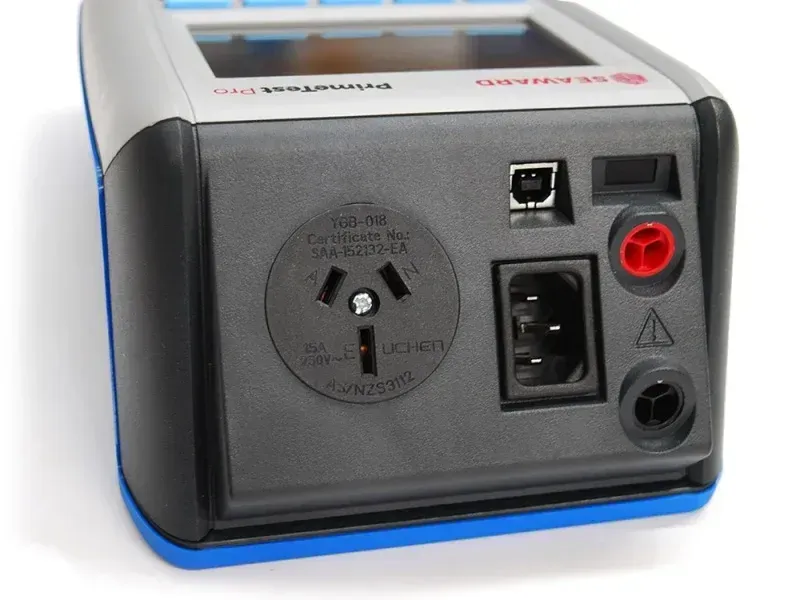
A visual inspection comes first. Equipment that passes is then electrically tested as appropriate to its construction and use, for example through earthing continuity and insulation or leakage tests. A sticker by itself is not evidence that those checks were completed.
Ask the provider to explain the agreed scope, any equipment that could not be tested, the results and the next review dates. Keep that information somewhere the person responsible for equipment can find it.
Who can carry out test and tag?
Queensland requires the person performing the relevant inspection and testing to be competent. Competence involves appropriate knowledge and skills; a short course alone should not be treated as authority to carry out every kind of electrical work. Repairing electrical equipment requires the appropriate electrical work licence.
A business providing test-and-tag services in Queensland must hold an electrical contractor licence that permits the work. Ask the provider to confirm its licence scope and the tester’s competence. A licence restricted to testing and tagging does not authorise electrical repairs.
What if an item fails?
Equipment found unsafe must be withdrawn from use and identified with a durable warning tag. Arrange an appropriate repair, replacement or disposal process. Do not reconnect it simply because work is busy or a replacement is inconvenient.
Prepare for a testing visit
- List the areas and equipment to be included.
- Identify shutdown-sensitive equipment and discuss access before the visit.
- Provide previous test records and any relevant site requirements.
- Assign a contact to deal with defects and follow-up work.
For construction and demolition work, also check AS/NZS 3012 — Electrical installations - Construction and demolition sites. Routine appliance testing does not replace the other electrical safety controls required at a site.
Sources and further guidance
Reviewed against the sources below on 6 November 2026. This is general information, not a substitute for assessing your actual equipment and work.
Ready to arrange workplace testing?
Send your suburb, site type, approximate item count and any access or timing requirements. We will discuss the equipment and scope before confirming the quote.
Request my test and tag quote
Prefer to talk? Call 07 3668 0740.