


Workplace Electrical Safety Checklist for Business

The Compliance Standard • September 25, 2026

Share this article

A frayed power lead under a desk, an overloaded power board in a storeroom or an unlabelled appliance brought in from home can create a problem long before anyone notices it. A practical workplace electrical safety checklist helps your team catch these issues early, keep equipment organised and maintain the records your business may need.

For Brisbane and Queensland workplaces, electrical safety is not just about booking a test and tag service when something goes wrong. It is about making simple checks part of normal operations, then acting promptly when equipment is damaged, unsuitable or overdue for review.

Start with the equipment your workplace actually uses

A useful checklist begins with a clear picture of portable electrical equipment on site. This includes the obvious items such as monitors, computers, kettles, printers, extension leads and power boards. It should also cover less visible equipment in kitchens, cleaners' cupboards, meeting rooms, workshops, warehouses and staff break areas.

Do not forget equipment brought in by staff, contractors or temporary workers. A personal phone charger may be low risk, while a contractor's drill, extension lead or battery charger may be used in a higher-risk environment. The risk level depends on the item, how it is used and where it is used.

Keep an equipment register with a clear description of each item, its location, identifying details and inspection status. This makes it easier to account for equipment when offices move, teams grow or assets are shared between sites.

Workplace electrical safety checklist for routine checks

A visual inspection is quick, but it needs to be consistent. Allocate responsibility to a manager, facilities contact or trained safety representative, and make sure staff know what to do when they find an issue.

Use this checklist during regular walk-throughs:

  • Check plugs, leads and appliance casings for cracks, exposed wires, loose pins, scorch marks or other physical damage.
  • Look for leads run through doorways, under carpets, across walkways or in areas where they can be crushed, cut or tripped over.
  • Confirm power boards are not overloaded, piggybacked into one another or being used as a permanent substitute for suitable fixed outlets.
  • Check that equipment is appropriate for the environment, particularly in wet areas, dusty workspaces, outdoor areas and workshops.
  • Make sure test tags, where used, are legible and equipment that requires attention is clearly removed from service.
  • Identify unused, broken or obsolete appliances that should be repaired, replaced or disposed of.

A visual check does not replace electrical testing where testing is required by your risk assessment, workplace procedures or client requirements. It does, however, identify obvious faults before they become a shock, fire or trip hazard.

Remove damaged equipment from service straight away

If a lead is split, a plug is loose or an appliance gives off a burning smell, do not leave it for the next scheduled inspection. Switch it off, unplug it if safe to do so and label it clearly so it cannot be used. Then arrange repair by a person holding the appropriate electrical work licence and appropriate retesting or replace the item.

This simple step matters because a tag does not make damaged equipment safe. A current tag shows that an item was inspected or tested at a point in time. Damage can happen the same day through poor storage, impact, heat, moisture or normal wear.

Match inspection frequency to the risk

There is no single testing schedule that suits every workplace. An air-conditioned office with mostly stationary computers has different risks from a construction site, commercial kitchen, school, warehouse or workshop. Equipment used outdoors, moved frequently or exposed to moisture, dust and physical wear usually needs closer attention.

Your inspection and testing frequency should be based on a documented risk assessment and your business's applicable safety obligations, site conditions and client requirements. Some businesses also work to recognised electrical safety standards and industry guidance when setting their intervals.

The key is to avoid treating test and tag as a box-ticking exercise. If your environment changes, review the schedule. A warehouse expansion, new machinery, a move to hot-desking or an increase in contractor activity can all change the level of risk.

Keep power boards and extension leads under control

Power boards and extension leads are among the most commonly misused electrical items in workplaces. They are convenient, but convenience can hide unsafe habits.

A power board should be suitable for the load, in good condition and positioned where it will not be damaged or create a trip hazard. Avoid joining power boards together, using double adaptors as a permanent solution or running leads through high-traffic areas. If your team repeatedly needs more outlets in one location, that is usually a sign that fixed electrical installation work should be considered.

Extension leads deserve the same attention. They should be fully uncoiled when carrying a significant load, kept away from water and heat, and stored neatly after use. In workshops and outdoor work areas, choose equipment designed for the conditions rather than relying on standard office-grade leads.

Separate portable equipment from fixed electrical issues

Test and tag services focus on portable electrical equipment and leads. They are one part of a broader electrical safety approach, not a replacement for maintaining the building's fixed wiring, switchboards, outlets or safety switches.

If an outlet feels warm, a circuit trips repeatedly, lights flicker or an appliance causes a shock or tingling sensation, stop using the affected equipment or outlet and arrange assessment by a licensed electrician. Repeated tripping is not a nuisance to work around. It is a warning that needs investigation.

Safety switches, also known as RCDs, require appropriate testing and maintenance. Your workplace procedures should identify who is responsible for this and how results are recorded. In some workplaces, especially higher-risk environments, regular push-button checks may form part of the process. Testing arrangements should always suit the site and be carried out safely.

Manage contractor and visitor equipment

Contractor equipment can create a gap in an otherwise well-managed workplace. Before work starts, ask contractors what portable electrical equipment they intend to bring onsite and what evidence they can provide that it is safe and maintained.

The right level of checking depends on the work being performed and your site's rules. A contractor completing office-based work may present a different risk from a trade team using leads, grinders and chargers in an active warehouse. Set expectations before they arrive, particularly where equipment will be used outdoors, at height, near water or around the public.

For events, temporary fit-outs and short-term projects, confirm where equipment will be powered, how leads will be protected and who is responsible for removing equipment at the end of the job. Temporary setups are often where rushed decisions create avoidable hazards.

Make records easy to find and use

Good records make compliance easier to manage. After equipment testing, keep the certificate or report with your equipment register and make sure the person responsible for workplace safety can access it without searching through old emails.

Your records should help answer practical questions: what was tested, where it was located, what failed, what was removed from service and when the next review is due. Clear records are useful during internal audits, client prequalification, insurance discussions and site inspections.

The Compliance Standard provides post-service certification reports so Brisbane businesses can keep this information organised without adding unnecessary administration to the day.

Give staff a simple reporting process

Your team does not need to be electrical experts to contribute to a safer workplace. They do need clear instructions. Tell staff to stop using damaged equipment, report faults promptly and avoid makeshift fixes such as taping damaged leads or forcing loose plugs into outlets.

Keep the reporting process straightforward. It might be a message to the office manager, a maintenance form or a job logged through your existing safety system. What matters is that reports are acted on and the faulty item is not returned to use before it is safe.

A workplace where people speak up early is easier to manage than one where faults stay hidden until an incident disrupts the day. Schedule your checks, keep your records current and treat every damaged lead or overloaded board as a practical issue worth fixing now.

Recent Posts

Warehouse staff walking between storage racks and stacked cartons
By Rob Thompson • November 23, 2026
Plan warehouse test and tag around shifts, dispatch windows and shared equipment. Practical preparation and handover tips from The Compliance Standard.

Point-of-sale screen and folded clothing on a retail shop counter
By Rob Thompson • November 19, 2026
Prepare shared retail equipment for a busy trading period. Organise storage, returned items, supervisor updates and access for a test and tag visit.

Coffee equipment and metal serving pots on a café counter
By Rob Thompson • October 28, 2026
Plan café and restaurant test and tag around preparation, service and closing. Organise equipment, access, staff contacts and a clear handover.

By The Compliance Standard • October 22, 2026
Plan an office move with practical steps for packing equipment, updating asset locations, arranging reconnection and handing over existing records.

By The Compliance Standard • October 11, 2026
Prepare for workplace test and tag with an equipment estimate, access details, operating hours and previous records. Learn what to expect from the visit.
By The Compliance Standard • October 9, 2026
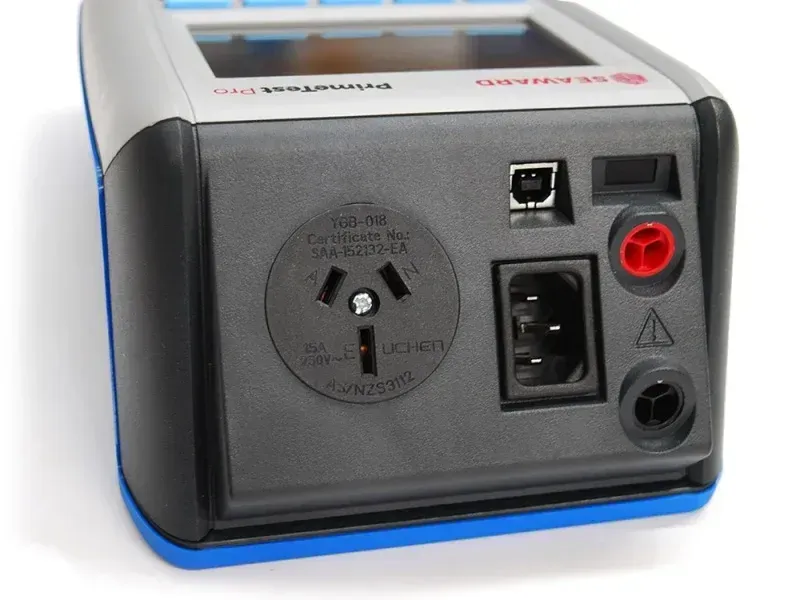
Learn how to remove failed equipment from use, record defects and arrange replacement or appropriately licensed repairs and retesting before reuse.

By The Compliance Standard • October 7, 2026
Explore a fictional test and tag report example, including asset identification, test outcomes, failed items, follow-up actions and relevant retest dates.

By The Compliance Standard • October 5, 2026
Understand small-business test and tag: equipment assessment, suitable schedules, access planning, failed-item handling and useful records after the visit.
By The Compliance Standard • October 3, 2026
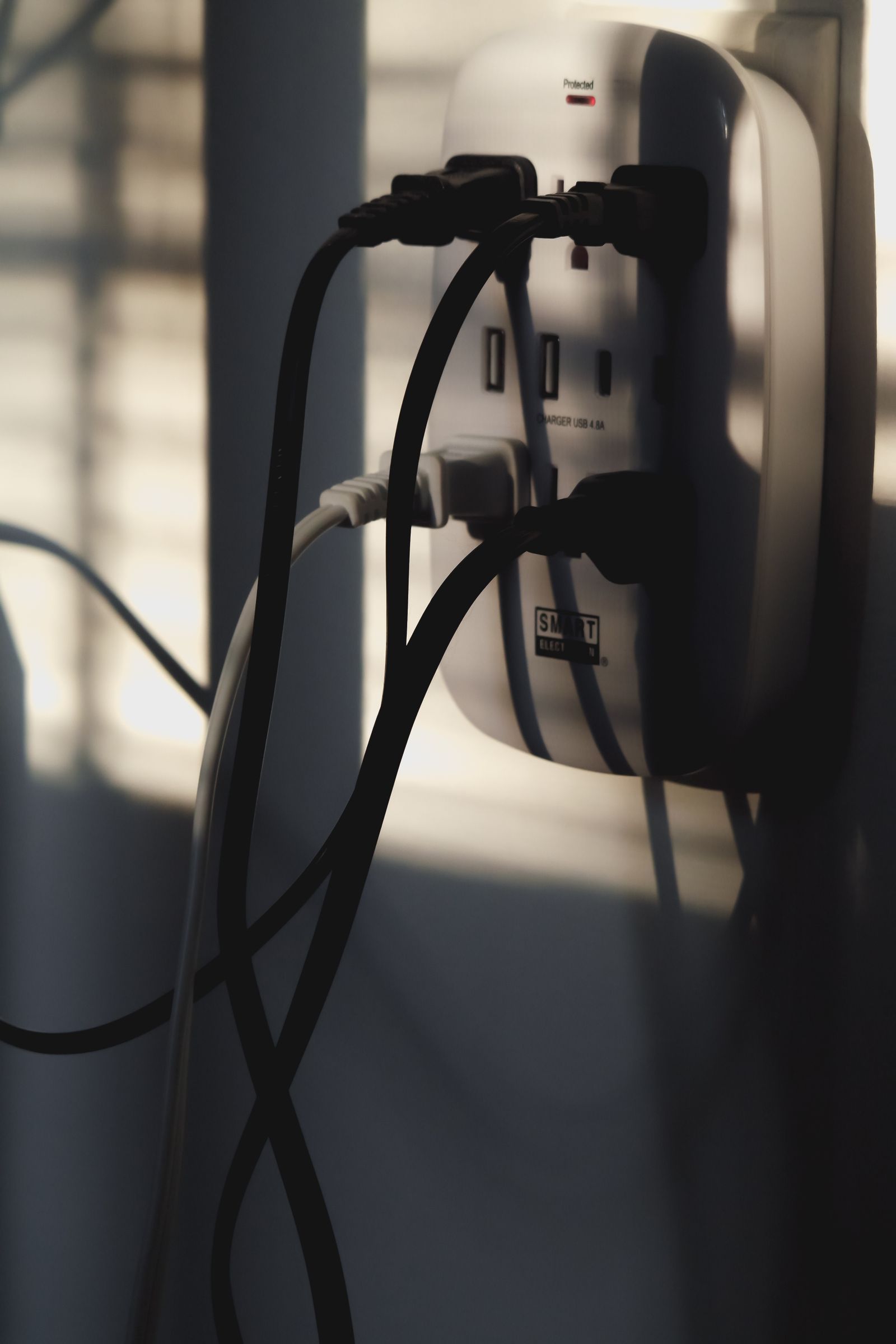
Read how visual inspection and electrical testing assess workplace leads, what damage to look for and how to manage failed items and testing records.

By The Compliance Standard • October 2, 2026
Coordinate test and tag across multiple sites with equipment lists, local access contacts, suitable schedules, separate reports and clear defect follow-up.
Show More