

Office Test and Tag with Less Disruption
A busy office can have dozens, or hundreds, of portable electrical items in use every day. Laptop chargers, monitors, docking stations, printers, kitchen appliances, extension leads and portable heaters all need to be managed safely. A planned office test and tag service helps identify damaged equipment, reduce electrical risk and keep your compliance records in order without turning the workday upside down.
For Brisbane businesses, the best approach is practical: book a qualified provider, arrange access to equipment, keep staff informed and receive clear documentation when the job is complete. Quick, clean and professional service matters because safety work should support your operations, not interrupt them.
Why office electrical safety needs a plan
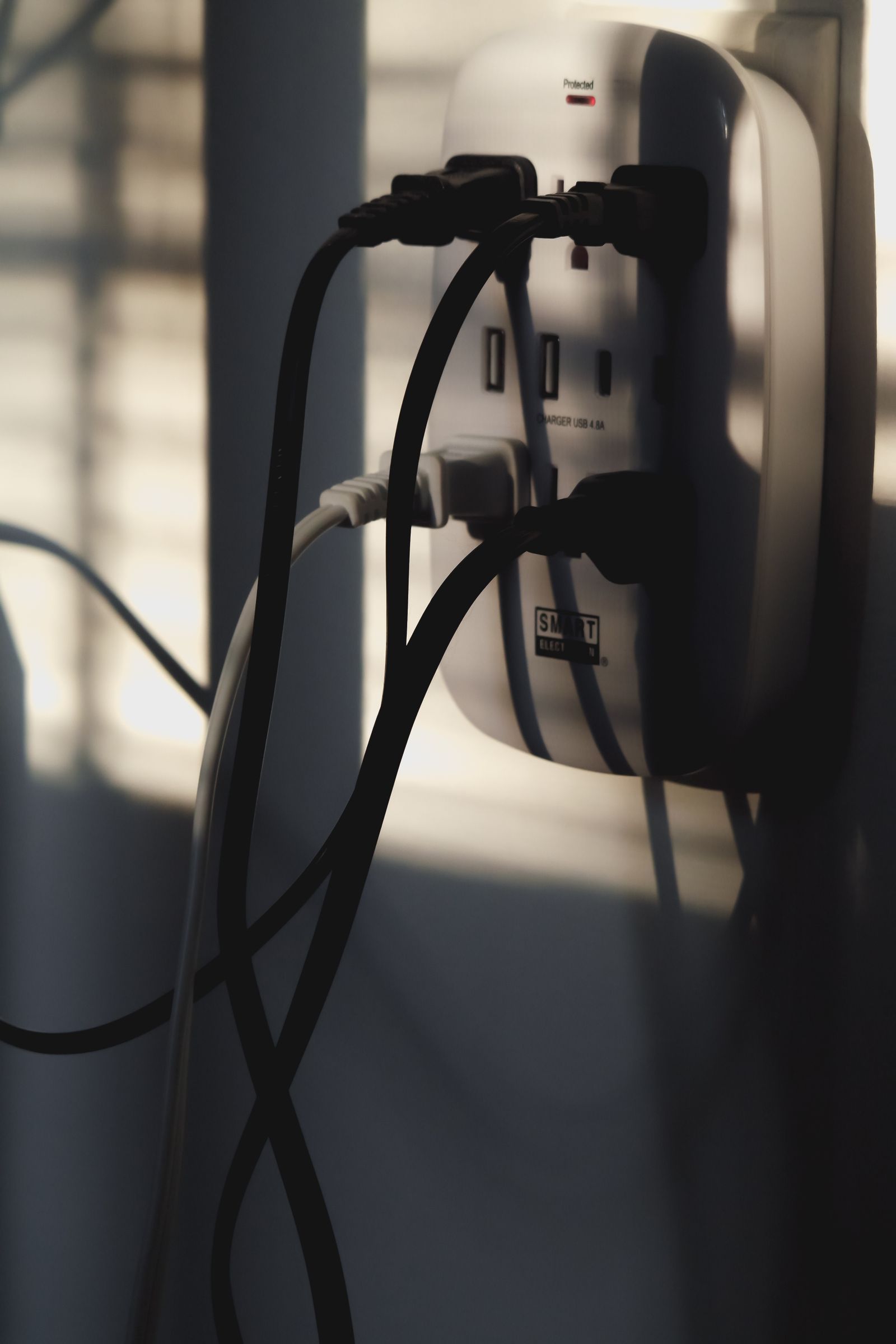
Office equipment is often treated as low risk because it is familiar. A kettle in the kitchenette, a charger under a desk or a power board behind a printer may be used every day without much thought. Yet damaged plugs, frayed leads, overloaded boards and poorly maintained appliances can create genuine shock, fire and trip hazards.
The risk is not always obvious. Cables can be crushed beneath desks, leads can be pulled by chairs, and personal appliances can enter the workplace without being checked. A visual inspection can pick up many issues, while electrical testing can identify faults that cannot be seen from the outside.
Testing and tagging is one part of a broader electrical safety process. It is not a substitute for sensible equipment use, staff reporting faults or maintaining fixed electrical installations. It does, however, give your business a reliable method for checking portable equipment and recording what has been assessed.
What an office test and tag service covers
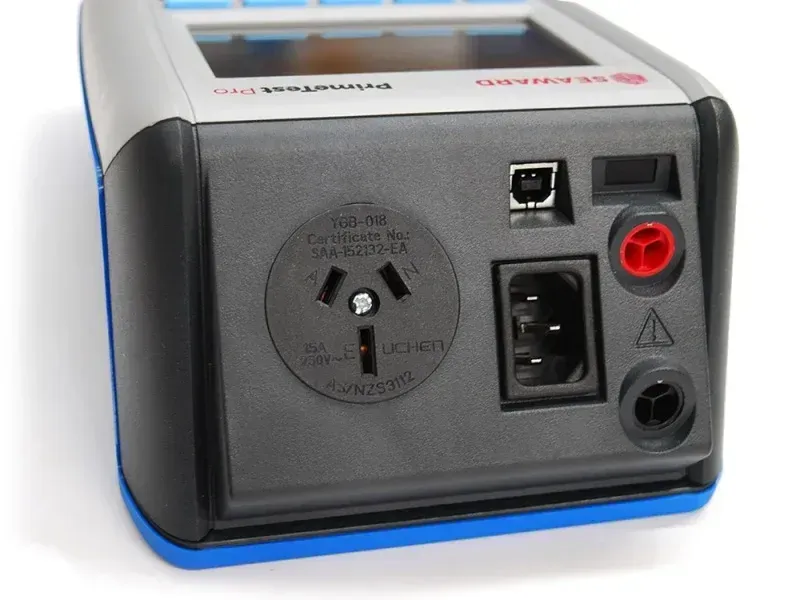
A professional visit generally begins with an inspection of each portable electrical item. The technician checks leads, plugs, casings and connections for visible damage before carrying out the appropriate electrical safety tests. Equipment that passes is tagged with key details, including the test date and retest due date. Failed items are clearly identified and removed from use until they can be repaired, replaced or otherwise made safe.
The equipment list will vary between workplaces. Common office items include computers and monitors, chargers and docking stations, printers and scanners, kitchen appliances, power boards, extension leads, desk fans, vacuum cleaners and portable heaters. Items with detachable leads may require both the appliance and lead to be considered.
Not every electrical item in an office is portable. Fixed equipment and building wiring sit within a different maintenance process. This is one reason an experienced provider should walk through the workplace scope before testing begins. It prevents assumptions and helps make sure the right equipment is included.
The tag is only part of the record
A tag provides a visible indication that an item has been inspected and tested. It is useful for staff, managers and auditors, but the paperwork behind it matters just as much. A proper service should provide a certification report or asset register showing what was tested, its result and any items that failed.
These records make future testing easier. They also give facilities managers and business owners a clear reference point if a client, insurer, building manager or safety review asks how electrical equipment is being managed.
How often should office equipment be tested?
There is no single interval that suits every business. Testing frequency should reflect the type of workplace, how equipment is used, the condition of the environment and your organisation's risk controls. An office with standard desk equipment is usually a lower-risk setting than a construction site, workshop or warehouse.
Australian Standard AS/NZS 3760 is commonly used as a guide for the in-service safety inspection and testing of electrical equipment. For many low-risk office environments, longer intervals may be appropriate. However, businesses may need more frequent checks where equipment is heavily used, moved regularly, exposed to wear, used by the public or required under a contract, site rule or internal safety policy.
A good provider will not push a one-size-fits-all schedule. They will help you set a practical retest cycle that suits your workplace and gives you a manageable compliance routine. The aim is reasonable control of risk, not unnecessary testing for its own sake.
Preparing for testing without losing a workday
The smoothest jobs are planned before the technician arrives. A simple notice to staff can make a major difference. Ask team members to leave chargers, power boards and desk equipment accessible, and nominate a contact person who can answer questions about storage rooms, meeting spaces and shared equipment.
For larger offices, testing can be organised by floor, department or work zone. Some businesses prefer an early start, a quieter trading period or a staged visit so critical teams can keep working. Others arrange testing alongside a planned office move, IT refresh or facilities inspection.
There can be a trade-off between speed and access. Testing every item in a crowded office as quickly as possible may seem efficient, but inaccessible desks and missing equipment can lead to gaps in the register. A short preparation period usually saves more time than it costs.
Before booking, it helps to consider:
- the approximate number of portable electrical items on site;
- whether staff use personal chargers, fans or other appliances;
- which areas require quiet or uninterrupted access; and
- whether you need work completed outside standard business hours.
This information allows for an accurate quote, suitable scheduling and fewer surprises on the day.
What happens when an item fails?
A failed item should be treated seriously, but it does not need to create confusion. The equipment should be labelled clearly and removed from service so it cannot be plugged back in by mistake. Your report should identify the item and the reason it failed where possible.
In many cases, the solution is straightforward. A damaged extension lead may need replacement, a faulty appliance may need repair by a person holding the appropriate electrical work licence, or an old power board may simply be retired. The right decision depends on the item’s condition, value and intended use.
What matters is having a clear process. Staff should know not to use damaged equipment, and managers should know who is responsible for replacement or repair. Leaving a failed item on a desk with the intention of dealing with it later is where avoidable risks can return.
Choosing a provider for office test and tag
Technical capability matters, but service delivery matters too. Your provider is working around staff, visitors, confidential information and normal business activity. They should arrive when promised, communicate clearly and leave each area tidy.
Look for straightforward quoting, flexible appointment options and reports that are easy to understand. If your office has unusual requirements, such as secure areas, multiple tenancies or equipment spread across several locations, raise these before the booking. A provider who asks the right questions early can plan a more efficient visit.
The Compliance Standard works with Brisbane businesses that need electrical safety checks handled with minimal fuss. The focus is on organised on-site testing, practical guidance and certification records that support your ongoing compliance process.
Make electrical safety easier to manage
The value of regular testing is not just the label on a plug. It is the confidence that portable equipment has been checked, faults have been identified and your business has a clear record of the work completed.
A well-planned office test and tag visit can become a simple part of your workplace maintenance calendar. Set a sensible schedule, keep your equipment register current and choose a service team that respects your time. That gives your staff a safer place to work and gives you one less compliance task to chase.