
AS/NZS 3760 Testing for Brisbane Workplaces

The Compliance Standard • September 29, 2026

Share this article

A power board under a desk, a laptop charger in a meeting room and an extension lead on a workshop floor can all look harmless - until damage, wear or a fault turns them into a workplace risk. AS/NZS 3760 testing gives Brisbane businesses a practical process for checking portable electrical equipment and keeping clear records of what was inspected.

For busy workplaces, the goal is not to create more paperwork or interrupt an already full day. It is to identify unsafe equipment early, deal with problems properly and show that electrical safety is being managed with care. Quick, clean and professional testing makes that process far easier to maintain.

What AS/NZS 3760 Testing Covers

AS/NZS 3760 is the Australian and New Zealand standard that sets out how in-service electrical equipment can be inspected and tested for safety. It applies to equipment that is already being used in workplaces, rather than new products being manufactured or installed.

In practical terms, this commonly includes portable appliances, extension leads, power boards, desktop equipment, chargers, portable tools and other plug-in items. Whether an item needs testing, and how often, depends on its environment, how it is used and the level of risk it faces.

The standard supports a process that combines visual inspection with electrical testing where required. A tester checks for obvious problems such as damaged cords, cracked plugs, exposed wiring, loose connections, unsuitable leads or signs of overheating. Electrical tests then help identify faults that cannot be seen from the outside, including issues with earthing, insulation or polarity.

A tag is only one part of the process. It provides a clear visual record that an item has been checked, along with key details such as the test date, next due date and technician information. The supporting report is equally valuable, particularly when you need to demonstrate a consistent approach to workplace safety.

Why Testing Frequency Is Not One-Size-Fits-All

A common question is, “How often do we need to test and tag?” The honest answer is that it depends. AS/NZS 3760 provides recommended inspection and testing intervals for different equipment types and environments, but businesses should set their program according to risk.

An office with low-risk, well-protected equipment will not have the same needs as a construction site, workshop, school, hospitality venue or warehouse. Equipment exposed to movement, dust, moisture, heat, public use or regular transport is more likely to be damaged and may need more frequent attention.

Consider a mobile phone charger that remains on an office desk compared with an extension lead used daily around machinery. Both are electrical items, but their exposure to damage is very different. The risk assessment should reflect that difference.

Your obligations also sit within the broader Queensland workplace health and safety framework. Employers and people conducting a business or undertaking have a duty to provide and maintain a safe work environment. Test and tag is not a substitute for good equipment purchasing, staff reporting procedures or safe use practices. It is one useful control within a wider electrical safety system.

What a Professional Test and Tag Visit Looks Like

Good AS/NZS 3760 testing should fit around your workplace, not take it over. Before the visit, a provider should confirm the scope of work, the type of site, the approximate number of items and the most suitable service time. Early mornings, quieter trading periods and staged testing can all reduce disruption.

On site, the technician works through the agreed equipment, completing visual inspections and the required electrical tests. Items that pass are tagged and recorded. If an item fails, it should be clearly identified and removed from service until it is repaired, replaced or otherwise made safe. A failed tag is not an inconvenience to ignore - it is a warning that the item should not remain in use.

The work should be orderly. Cables should be left where they belong, workspaces respected and staff informed where equipment needs to be temporarily unavailable. For offices and customer-facing businesses, this care matters just as much as technical accuracy.

After testing, you should receive documentation that makes your records easy to manage. This usually includes an asset register or certificate report identifying tested equipment, results, failed items and future testing information. Keep these records accessible. They help with internal safety reviews, contractor management, insurance questions and demonstrating that you have a planned process in place.

AS/NZS 3760 Testing Is More Than a Sticker

A tag can give a false sense of security when it is treated as the whole job. It is possible for equipment to be tagged but later damaged through everyday use. Staff still need to check items before use and report problems promptly.

Encourage people to look for frayed leads, cracked casings, bent pins, scorch marks, loose plugs and equipment that feels unusually hot or gives a tingling sensation. They should never attempt makeshift repairs with tape, continue using damaged items or overload power boards.

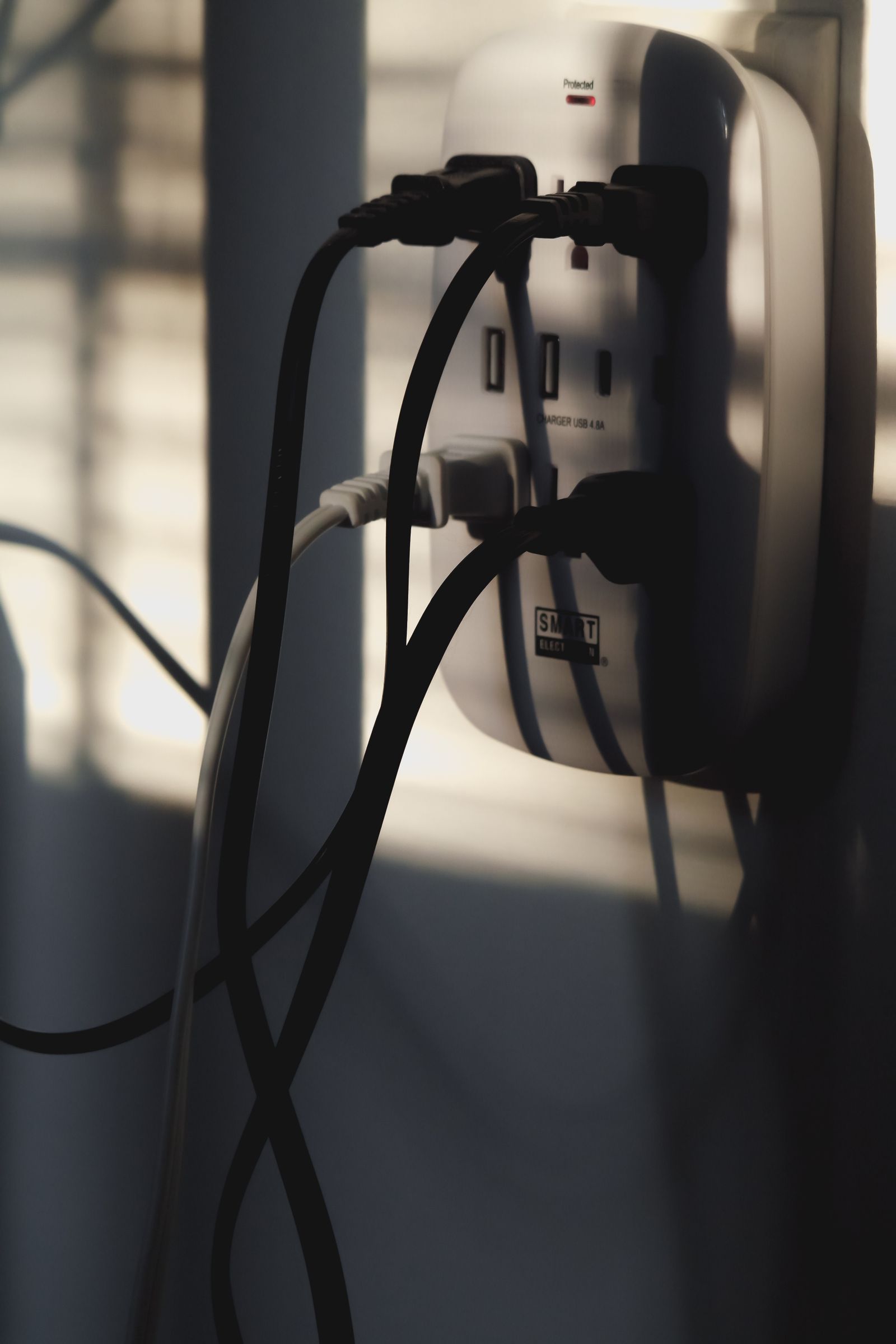
Power boards deserve particular attention. They are often hidden under desks or behind furniture, where multiple devices slowly accumulate. Avoid double-adaptors, piggybacked boards and overloading. A quality power board with overload protection can be appropriate, but it still needs to be used correctly and inspected as part of your program.

For workplaces with visitors, contractors or shared spaces, clear controls become even more important. You may not own every item brought onto site, but you can set sensible expectations about the condition and testing status of electrical equipment used in your workplace.

Building a Manageable Compliance Routine

The easiest program is one that someone can actually maintain. Start by identifying who is responsible for electrical equipment safety and where your records will be stored. This does not need to be complicated. What matters is that responsibility is clear when equipment is purchased, moved, damaged, repaired or taken out of service.

Create a simple process for new equipment. Check that it is suitable for the job, record it if required by your system and make sure staff know how to use it safely. For repaired equipment, arrange appropriate inspection and testing before it returns to use. Repairs can affect the safety of an item, so do not assume a working appliance is automatically safe.

It also helps to plan testing dates ahead of time. Rather than waiting until tags have expired or an audit is approaching, schedule the next service around your operational calendar. A clinic may prefer quieter appointment periods. A retail business may avoid peak trade. A warehouse may want testing completed around shift changes.

This approach reduces last-minute pressure and makes compliance more predictable. It also gives you time to act on failed items without leaving staff short of essential equipment.

Choosing the Right Provider

Price matters, but the cheapest quote is not always the most useful service. Look for a provider that asks sensible questions about your site, offers clear pricing and can work around your operating hours. You should know what is included, how failed items will be handled and what documentation you will receive afterwards.

Responsive communication is valuable too. If you manage multiple locations, changing staff numbers or a mix of office and operational equipment, you need a provider that can adapt without creating extra administration for your team.

The Compliance Standard supports Brisbane businesses with scheduled on-site testing, practical guidance and clear certification records. The focus is straightforward: keep the process efficient, minimise disruption and give you the documentation needed to manage electrical safety with confidence.

Electrical equipment will always be part of running a workplace. A planned testing program, sensible staff habits and reliable records turn it from a recurring concern into a routine piece of good business management.

Recent Posts

Warehouse staff walking between storage racks and stacked cartons
By Rob Thompson • November 23, 2026
Plan warehouse test and tag around shifts, dispatch windows and shared equipment. Practical preparation and handover tips from The Compliance Standard.
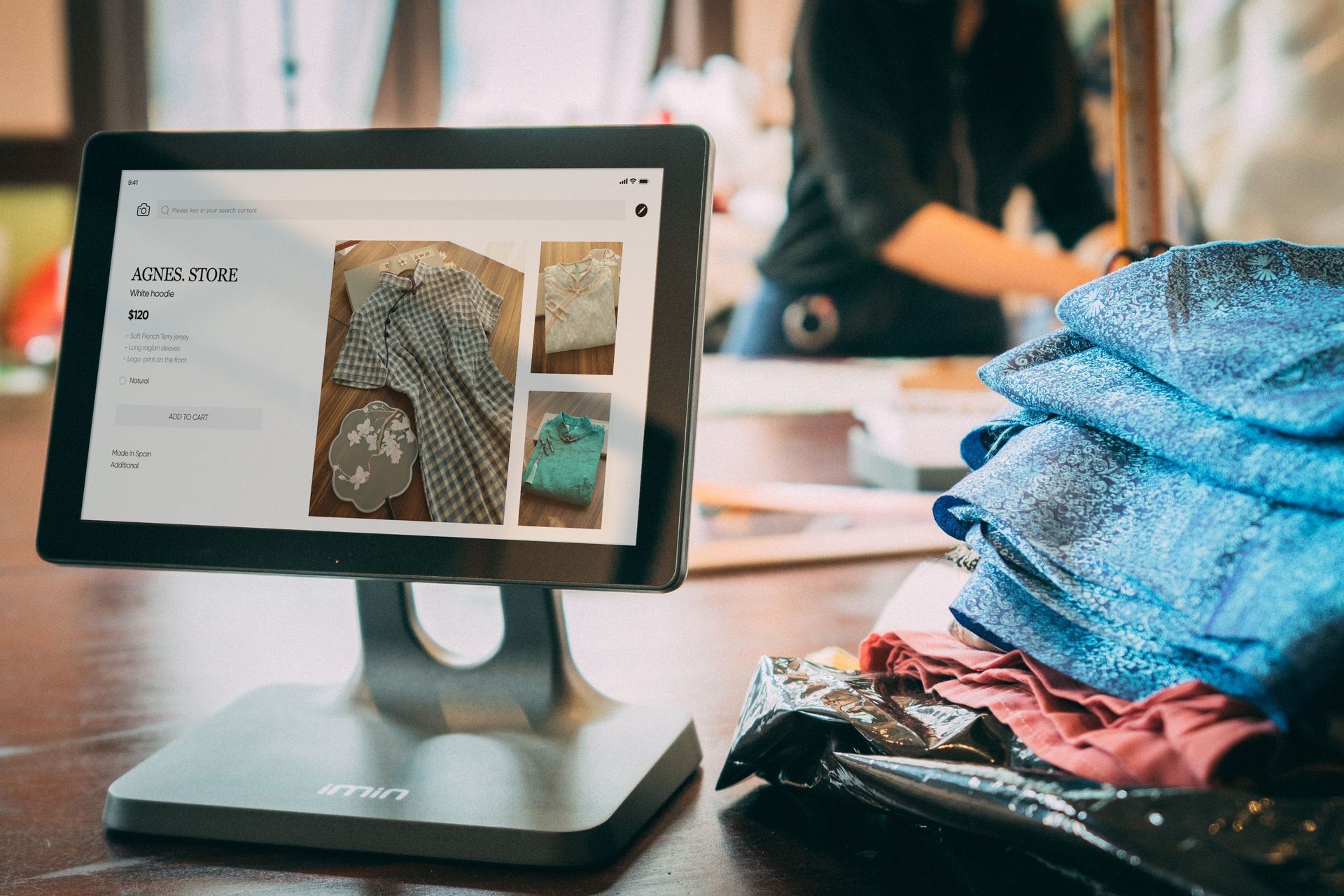
Point-of-sale screen and folded clothing on a retail shop counter
By Rob Thompson • November 19, 2026
Prepare shared retail equipment for a busy trading period. Organise storage, returned items, supervisor updates and access for a test and tag visit.

Coffee equipment and metal serving pots on a café counter
By Rob Thompson • October 28, 2026
Plan café and restaurant test and tag around preparation, service and closing. Organise equipment, access, staff contacts and a clear handover.

By The Compliance Standard • October 22, 2026
Plan an office move with practical steps for packing equipment, updating asset locations, arranging reconnection and handing over existing records.

By The Compliance Standard • October 11, 2026
Prepare for workplace test and tag with an equipment estimate, access details, operating hours and previous records. Learn what to expect from the visit.
By The Compliance Standard • October 9, 2026
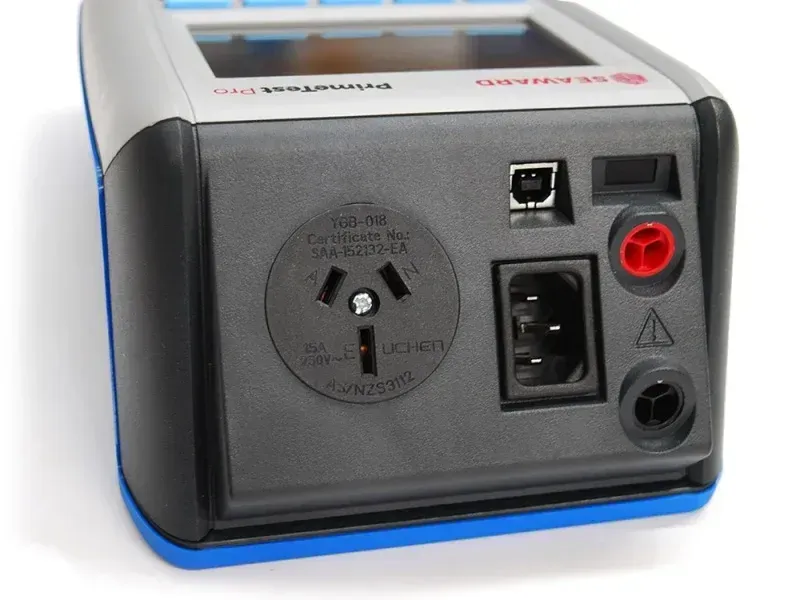
Learn how to remove failed equipment from use, record defects and arrange replacement or appropriately licensed repairs and retesting before reuse.
By The Compliance Standard • October 7, 2026
Explore a fictional test and tag report example, including asset identification, test outcomes, failed items, follow-up actions and relevant retest dates.

By The Compliance Standard • October 5, 2026
Understand small-business test and tag: equipment assessment, suitable schedules, access planning, failed-item handling and useful records after the visit.
By The Compliance Standard • October 3, 2026
Read how visual inspection and electrical testing assess workplace leads, what damage to look for and how to manage failed items and testing records.

By The Compliance Standard • October 2, 2026
Coordinate test and tag across multiple sites with equipment lists, local access contacts, suitable schedules, separate reports and clear defect follow-up.
Show More