
What Equipment Needs Test and Tag at Work?
A mobile phone charger under a desk, a lead running to a meeting room, a drill in the back of a ute - these are the everyday items that can create an electrical safety risk if damaged or poorly maintained. Knowing what equipment needs test and tag helps Queensland businesses focus on the items that matter, keep clear records and avoid last-minute compliance concerns.
Test and tag is not about placing a sticker on every electrical item in sight. It is a practical inspection and testing process for portable electrical equipment that is used in a workplace. The right scope depends on the equipment, where it is used and the level of risk in that environment.
What equipment needs test and tag?
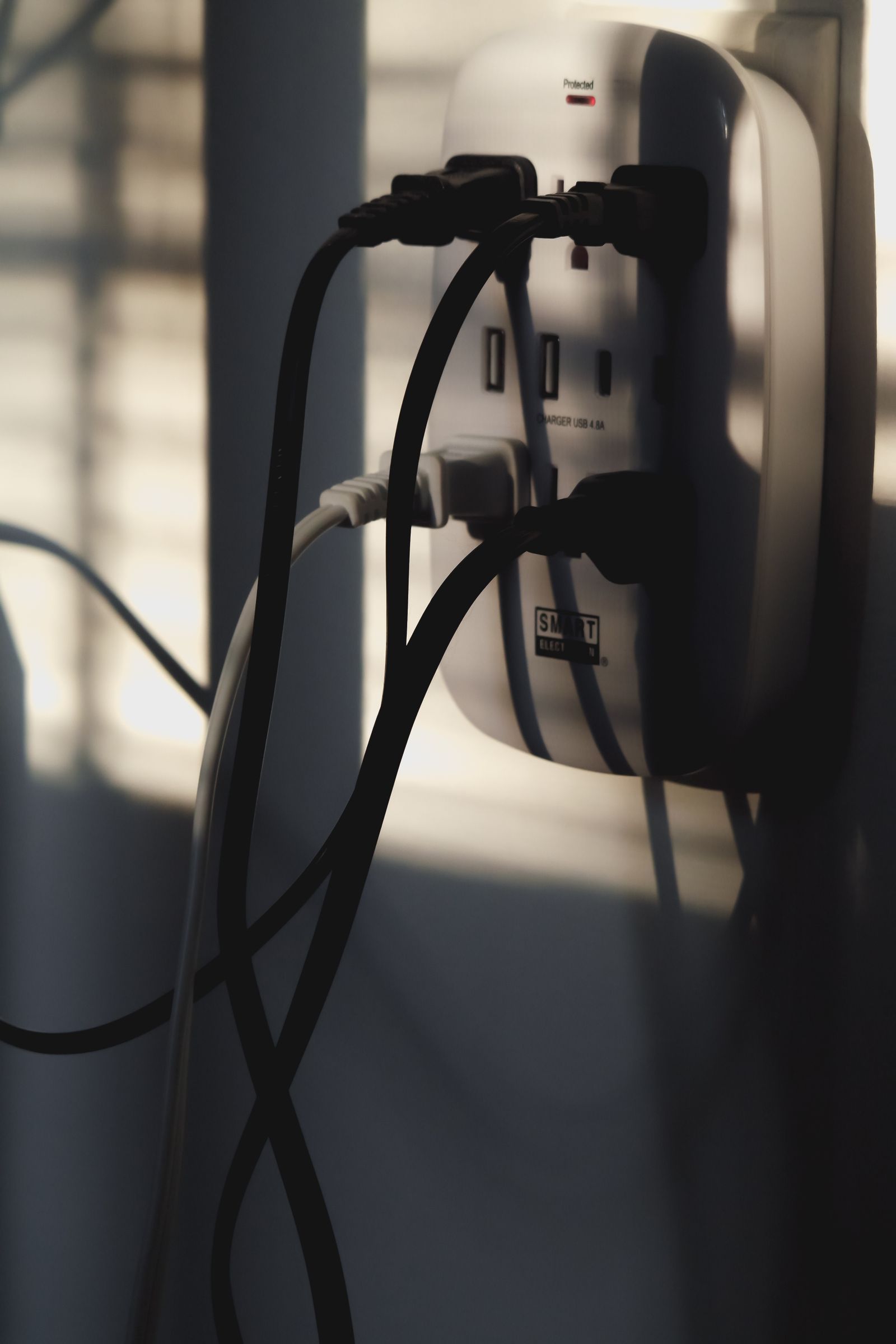
Include plug-in equipment in your initial assessment. Required inspection and testing depend on the work category, equipment and safety-switch arrangements.
In an office, this can include computers, monitors, printers, desktop chargers, kettles, microwaves, fans, pedestal heaters, power boards and extension leads. In a workshop, warehouse or trade environment, the list may also include drills, grinders, welders, battery chargers, pressure cleaners, portable lighting and temporary leads.
The key question is not whether an item is large or small. It is whether the equipment has a flexible lead and plug, is used in the course of work, and could be damaged through normal use, movement, wear or environmental exposure.
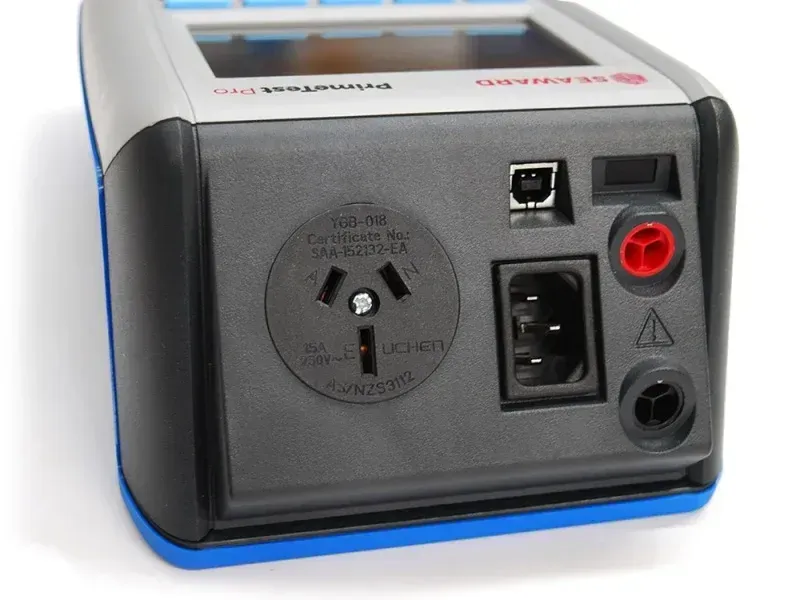
A qualified tester will complete a visual inspection first, then use a portable appliance tester where appropriate. The visual check is valuable because many faults are visible before testing begins: cracked plugs, frayed leads, damaged casings, loose pins, makeshift repairs or equipment exposed to moisture.
Common equipment to include
Most workplaces will need to consider the following equipment:
- Portable appliances such as kettles, microwaves, fans, vacuums, heaters and coffee machines.
- Office and IT equipment including desktop computers, monitors, printers, docking stations and mobile phone chargers.
- Extension leads, power boards and portable residual current devices.
- Portable tools and machinery, including drills, saws, grinders, welders and battery chargers.
- Hired, borrowed or contractor-owned plug-in equipment used on your site.
- Portable lighting, display equipment and audio-visual equipment used for events, training or site work.
Equipment that is rarely moved can still need attention. A printer kept in one place, for example, may have a lead trapped behind furniture or exposed to repeated cleaning, foot traffic or accidental knocks. Usage and condition matter more than how often someone carries it around.
Equipment that may not need routine test and tag
Not every electrical item is normally included in a portable appliance testing schedule. Fixed electrical equipment that is hardwired into the building, such as air conditioning systems, fixed ovens, ceiling lights and switchboards, is generally managed through electrical installation maintenance rather than routine test and tag.
That does not mean fixed equipment can be ignored. It still needs to be safe, maintained and repaired by a licensed electrician when faults arise. The difference is that it falls under a different maintenance process.
Extra-low-voltage items may also sit outside the usual testing scope. A USB cable or a battery-operated device is not normally test and tagged on its own. However, the mains-powered charger or power adaptor connected to it should be assessed.
New equipment is another common question. New appliances do not usually require electrical testing before first use when they are supplied in safe condition. They should still be visually checked before being brought into service, particularly if they have been delivered, stored or transported in a way that could cause damage. Once in use, they should be added to the workplace register and included at the next appropriate inspection interval.
The workplace environment changes the answer
The same appliance can carry very different risks in different locations. A laptop charger in a clean office is not exposed to the same conditions as a power tool on a construction site or an extension lead in a warehouse.
High-risk environments often include construction sites, workshops, factories, schools, kitchens, outdoor work areas, warehouses and places where equipment is frequently moved. Dust, moisture, heat, vibration, rough handling and vehicle traffic can all shorten the safe life of electrical leads and appliances.
A low-risk office may use longer intervals between testing, while construction and demolition work generally requires much more frequent inspection and testing. Queensland businesses should set intervals according to their workplace risk assessment, the equipment manufacturer’s guidance and the relevant electrical safety requirements. Australian Standard AS/NZS 3760 provides recognised guidance for the in-service safety inspection and testing of electrical equipment.
This is why a one-size-fits-all schedule can be unhelpful. Testing every item at the same interval may create unnecessary cost in a low-risk area, while leaving higher-risk equipment without enough oversight. A sensible program considers where the equipment is used, who uses it and how likely it is to be damaged.
Do extension leads and power boards need test and tag?
Include extension leads, power boards and portable RCDs in your assessment. The applicable inspection and testing requirements depend on the work category and safety-switch arrangements; portable RCDs also have their own testing requirements. They are handled frequently, dragged across floors, overloaded, bent near the plug or left where they can be damaged by doors, trolleys and vehicles.
A power board may look fine on top of a desk but have a damaged cord hidden behind a cabinet. An extension lead may pass a quick glance yet have an internal fault that needs electrical testing to identify. These items are often the connection point between the supply and multiple appliances, so a failure can affect more than one person or piece of equipment.
Portable RCDs require particular care because they are designed to provide additional protection against electric shock. Their testing requirements can differ from standard appliances, including functional push-button checks and instrument testing. Keep them on the register and ensure the correct testing process is used.
What does a test and tag label tell you?
A test and tag label is a clear on-site record that an item has been inspected and tested, where applicable. It typically identifies the test date, the next due date, the person or business that completed the work and whether the item passed.
The label is useful, but it is not the whole compliance system. Your business also needs accurate records. A proper report can show what was tested, the asset details, test outcomes, failed items and due dates. This gives facilities managers and business owners a practical reference point when audits, insurer questions or internal safety reviews arise.
If an item fails, it should be removed from service promptly. Tagging a failed appliance does not make it safe. It needs repair by a person holding the appropriate electrical work licence and appropriate retesting, replacement or disposal before it returns to use.
A practical way to manage your equipment
Start by walking through your workplace and identifying everything that plugs into mains power. Include common areas, storerooms, meeting rooms, work vehicles, temporary workspaces and equipment brought in by contractors. It is easy to miss the appliances that sit in cupboards or the leads used only for occasional jobs.
Next, separate portable plug-in equipment from fixed, hardwired equipment. Record each portable item in an asset register, then set inspection intervals that reflect the environment and use. If your workplace changes - for example, an office starts operating from a warehouse or a team begins regular outdoor work - review the schedule rather than relying on an old testing cycle.
For Brisbane businesses, The Compliance Standard can carry out on-site testing with minimal disruption and provide the records needed to keep the process organised. Quick, clean and professional service means your team can stay focused on work while the electrical safety checks are handled properly.
A well-managed test and tag program is not about collecting stickers. It is about finding damaged equipment before someone plugs it in, keeping reliable records and making electrical safety easier to manage across the year.